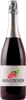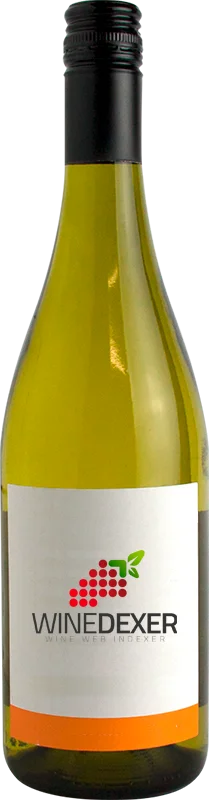
Fontaine du ClosMuscat Petits Grains
 White wine



In the mouth this white wine is a powerful.
This wine generally goes well with pork, poultry or rich fish (salmon, tuna etc).
Taste structure of the Muscat Petits Grains from the Fontaine du Clos
Light | Bold | |
Dry | Sweet | |
Soft | Acidic |
In the mouth the Muscat Petits Grains of Fontaine du Clos in the region of Méditerranée is a powerful.
Food and wine pairings with Muscat Petits Grains
Pairings that work perfectly with Muscat Petits Grains



Original food and wine pairings with Muscat Petits Grains


The Muscat Petits Grains of Fontaine du Clos matches generally quite well with dishes of pork, rich fish (salmon, tuna etc) or mature and hard cheese such as recipes of pan-fried carrots, zucchini gratin with tuna and tomato or filet mignon stuffed with bacon and comté cheese.
Details and technical informations about Fontaine du Clos's Muscat Petits Grains.
Discover the grape variety: Troyen
An old grape variety from the Aube and Yonne departments, it was also found in the Meuse, Vosges and Moselle. It is the result of a natural intraspecific crossing between pinot noir and gouais blanc. Today, the Troyen is practically no longer multiplied.
Informations about the Fontaine du Clos
The Fontaine du Clos is one of of the world's greatest estates. It offers 27 wines for sale in the of Vaucluse to come and discover on site or to buy online.

The wine region of Vaucluse
The wine region of Vaucluse is located in the region of Méditerranée of Vin de Pays of France. Wineries and vineyards like the Domaine Chêne Bleu or the Domaine Chêne Bleu produce mainly wines red, white and pink. The most planted grape varieties in the region of Vaucluse are Viognier, Merlot and Cabernet-Sauvignon, they are then used in wines in blends or as a single variety. On the nose of Vaucluse often reveals types of flavors of earthy, blueberry or dried herbs and sometimes also flavors of savory, anise or cinnamon.
The wine region of Méditerranée
Méditérranée is a PGI title that covers wines produced in a large area of the South-eastern coast of France, roughly corresponding to the wine region of Provence but also including Part of the Rhône Valley. The PGI shares its territory with multiple AOC appellations as varied as Châteauneuf-du-Pape, Bandol and Côtes de Provence. The PGI Méditérranée catchment area extends over 10 departments (including the two on the island of Corsica), as well as smaller parts of the Isère, Loire and Rhône departments. Viticulture is essential to the culture and economy of this part of France.
The word of the wine: Ugni blanc
White grape variety of Italian origin, and the main white variety grown in France. Its large bunches give fine, light and lively wines, suitable for distillation: today it is the main variety for making cognac and armagnac. Ugni blanc, which is a little richer in alcohol when grown in Mediterranean regions, is used in the blending of the Provence and Corsica appellations, often in association with other grape varieties that bring aromas and structure, such as clairette, grenache blanc or sauvignon. Ugni blanc is also used, on a secondary basis, in the production of certain white wines in Gironde (AOC Bordeaux, Entre-deux-Mers, etc.).