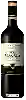
Winery FonjoyaBelle de Soie Languedoc Saturnin
 Red wine
This wine generally goes well with beef, veal or pasta.
The Belle de Soie Languedoc Saturnin of the Winery Fonjoya is in the top 20 of wines of Saint-Saturnin.

Food and wine pairings with Belle de Soie Languedoc Saturnin
Pairings that work perfectly with Belle de Soie Languedoc Saturnin



Original food and wine pairings with Belle de Soie Languedoc Saturnin
The Belle de Soie Languedoc Saturnin of Winery Fonjoya matches generally quite well with dishes of beef, pasta or veal such as recipes of tata simone's dumplings, simple chinese noodle soup or tournedos rossini with port sauce.
Details and technical informations about Winery Fonjoya's Belle de Soie Languedoc Saturnin.
Discover the grape variety: Abondance
Simple, fresh dry whites with a pale golden robe, a supple palate and moderate acidity. Understated aromas of citrus and alpine white flowers. Rustic, productive profile. Preserved for its heritage value in varietal conservatories, it no longer contributes to commercial production. Not to be confused with the Abondant. An ancient native white grape from Savoy, once grown in Savoy and the Isère valley, now nearly extinct.
Last vintages of this wine



The best vintages of Belle de Soie Languedoc Saturnin from Winery Fonjoya are 0
Informations about the Winery Fonjoya
The Winery Fonjoya is one of of the world's great estates. It offers 87 wines for sale in the of Saint-Saturnin to come and discover on site or to buy online.

The wine region of Saint-Saturnin
Languedoc AOP in northern Hérault (uniform argilo-calcareous terroir, full south exposure, cool Larzac winds): Syrah, Grenache, Mourvèdre, Carignan and Cinsault as signature reds — deep ruby-garnet robe, intense aromas of blackberry and cherry with spice, garrigue, leather and smoky or chocolatey notes, well-structured tannins balanced by fresh acidity lending length, elegance preserved by Larzac winds. Ageing potential 3–7 years.
The wine region of Languedoc-Roussillon
Largest single French vineyard, dominated by sunny, generous reds. Spicy Syrah, candied Grenache (ripe fruit, garrigue), structured Carignan, deep Mourvèdre, supple Cinsault. Stars: structured Corbières, Minervois, Faugères, Saint-Chinian; round Côtes-du-Roussillon. Legendary vins doux naturels: Banyuls and Maury (fortified Grenache) with notes of cocoa, fig, prune.
The word of the wine: Rough
Wine without finesse with rough tannins.