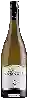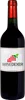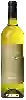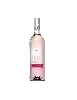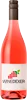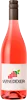
Winery FoncalieuSaint-Chinian Rosé
 Pink wine
In the mouth this pink wine is a with a nice freshness.
This wine generally goes well with vegetarian, appetizers and snacks or lean fish.

Taste structure of the Saint-Chinian Rosé from the Winery Foncalieu
Light | Bold | |
Dry | Sweet | |
Soft | Acidic |
In the mouth the Saint-Chinian Rosé of Winery Foncalieu in the region of Languedoc-Roussillon is a with a nice freshness.
Food and wine pairings with Saint-Chinian Rosé
Pairings that work perfectly with Saint-Chinian Rosé



Original food and wine pairings with Saint-Chinian Rosé


The Saint-Chinian Rosé of Winery Foncalieu matches generally quite well with dishes of pasta, vegetarian or appetizers and snacks such as recipes of the real recipe for carbonara, quiche without eggs or emulsion of foie gras with pata negra.
Details and technical informations about Winery Foncalieu's Saint-Chinian Rosé.
Discover the grape variety: Garnacha
Generous, warm reds with an evolving ruby robe, smooth tannins and an ample palate, showing intense aromas of ripe red fruits (cherry, candied raspberry), garrigue, dry herbs, spices, liquorice and sun-drenched notes. Also in luscious rosés and sweet wines (Banyuls). Absolute star of Priorat DOQ, pillar of Rioja DOCa, Garnacha de Aragón, Campo de Borja DO, Calatayud DO and Châteauneuf-du-Pape AOC. Aragonese autochthonous variety, one of the most planted worldwide.
Informations about the Winery Foncalieu
The Winery Foncalieu is one of of the world's greatest estates. It offers 367 wines for sale in the of Saint-Chinian to come and discover on site or to buy online.

The wine region of Saint-Chinian
Languedoc cru between Beziers and Saint-Pons, signature dual terroir. Fleshy Mediterranean reds with notes of black fruit (blackberry, black cherry), garrigue, pepper, liquorice and spice, firm tannins and a sun-drenched palate. Northern schists: fruitier, smokier profile. Southern clay-limestone: more structured wines.
The wine region of Languedoc-Roussillon
Largest single French vineyard, dominated by sunny, generous reds. Spicy Syrah, candied Grenache (ripe fruit, garrigue), structured Carignan, deep Mourvèdre, supple Cinsault. Stars: structured Corbières, Minervois, Faugères, Saint-Chinian; round Côtes-du-Roussillon. Legendary vins doux naturels: Banyuls and Maury (fortified Grenache) with notes of cocoa, fig, prune.
The word of the wine: Overmaturation
When the grapes reach maturity, the skin becomes permeable and progressively loses water, which causes a concentration phenomenon inside the berry. This is called over-ripening or passerillage.