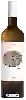
Winery Florentino PerezSenda Blanco
 White wine



This wine generally goes well with
Details and technical informations about Winery Florentino Perez's Senda Blanco.
Discover the grape variety: Arinarnoa
Arinarnoa noir is a grape variety that originated in France (Languedoc). It produces a variety of grape specially used for wine making. It is rare to find this grape to eat on our tables. This variety of grape is characterized by large bunches of grapes of medium size. Arinarnoa noir can be found in several vineyards: South-West, Cognac, Bordeaux, Languedoc & Roussillon, Provence & Corsica, Rhone Valley, Loire Valley, Savoie & Bugey, Beaujolais, Armagnac.
Last vintages of this wine
The best vintages of Senda Blanco from Winery Florentino Perez are 2015, 0, 2017, 2018
Informations about the Winery Florentino Perez
The Winery Florentino Perez is one of of the world's greatest estates. It offers 17 wines for sale in the of Manchuela to come and discover on site or to buy online.

The wine region of Manchuela
The wine region of Manchuela is located in the region of Castille of Spain. Wineries and vineyards like the Domaine Finca Sandoval or the Domaine Bodega Iniesta produce mainly wines red, white and pink. The most planted grape varieties in the region of Manchuela are Bobal, Tempranillo and Cabernet-Sauvignon, they are then used in wines in blends or as a single variety. On the nose of Manchuela often reveals types of flavors of beeswax, raspberry or chocolate and sometimes also flavors of cedar, cigar box or floral.
The wine region of Castille
Castilla-La Mancha is a large region located South and east of the Spanish capital, Madrid. Inexpensive table wines are produced from a variety of Grapes. Higher quality wines are increasingly available, but the region is traditionally known as a source of low quality bulk wine. More than half of Spain's grapes are grown here.
The word of the wine: Aranean
The underside of a grape leaf blade covered with tiny hairs distributed in a web-like pattern.