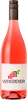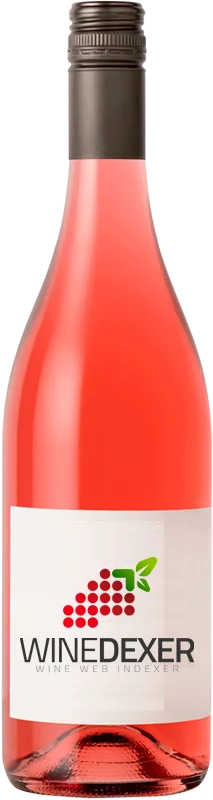
Fikardos WineryIocasti Rosé Dry
 Pink wine


This wine generally goes well with poultry, beef or lamb.
Food and wine pairings with Iocasti Rosé Dry
Pairings that work perfectly with Iocasti Rosé Dry



Original food and wine pairings with Iocasti Rosé Dry


The Iocasti Rosé Dry of Fikardos Winery matches generally quite well with dishes of beef, lamb or spicy food such as recipes of baeckeoffe, lamb with masalé sauce and rice or chicken with olives in a couscousier.
Details and technical informations about Fikardos Winery's Iocasti Rosé Dry.
Discover the grape variety: Cabernet-Sauvignon
Cabernet-Sauvignon noir is a grape variety that originated in France (Bordeaux). It produces a variety of grape specially used for wine making. It is rare to find this grape to eat on our tables. This variety of grape is characterized by small bunches, and small grapes. Cabernet-Sauvignon noir can be found in many vineyards: South-West, Loire Valley, Languedoc & Roussillon, Cognac, Bordeaux, Armagnac, Rhone Valley, Provence & Corsica, Savoie & Bugey, Beaujolais.
Last vintages of this wine
The best vintages of Iocasti Rosé Dry from Fikardos Winery are 2013, 0, 2016, 2012 and 2014.
Informations about the Fikardos Winery
The Fikardos Winery is one of of the world's great estates. It offers 20 wines for sale in the of Paphos to come and discover on site or to buy online.

The wine region of Paphos
Western Cyprus, high-altitude vineyards on the Troodos, limestone soils, dry Mediterranean climate. Signature Maratheftiko as red king (rare native): elegant and deep with blackberry, cherry, plum, violet, maquis herbs and graphite touch, firm tannins. Xynisteri as star white (most planted on the island): fresh and taut (citrus, green apple, almond). Ancient Mavro, base of Commandaria — the oldest named wine in the world, sweet and opulent (raisin, fig, honey, cocoa).
The word of the wine: Leaf removal
Operation that consists in removing the leaves that form a screen between the sun and the grape.