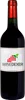
Winery FibbianoTrattoria della Casa Nuova
 Red wine


In the mouth this red wine is a .
This wine generally goes well with poultry, beef or veal.

Taste structure of the Trattoria della Casa Nuova from the Winery Fibbiano
Light | Bold | |
Smooth | Tannic | |
Dry | Sweet | |
Soft | Acidic |
In the mouth the Trattoria della Casa Nuova of Winery Fibbiano in the region of Tuscany is a .
Food and wine pairings with Trattoria della Casa Nuova
Pairings that work perfectly with Trattoria della Casa Nuova



Original food and wine pairings with Trattoria della Casa Nuova


The Trattoria della Casa Nuova of Winery Fibbiano matches generally quite well with dishes of beef, lamb or veal such as recipes of beef with onions chinese style, couscous chicken and merguez or osso-bucco with asian flavours, funambuline style.
Details and technical informations about Winery Fibbiano's Trattoria della Casa Nuova.
Discover the grape variety: Kanzler
Aromatic, full-bodied whites to drink young with a golden robe, ample palate with moderate acidity, showing signature muscat, white flower (elderflower), ripe white-fleshed fruit and floral aromas. Also produced as off-dry. Grown in small quantities in Rhineland-Hesse and the German Palatinate for typical dry and medium-dry wines. White variety obtained in 1927 at Alzey by Georg Scheu (müller-thurgau × silvaner), early-ripening.
Last vintages of this wine
The best vintages of Trattoria della Casa Nuova from Winery Fibbiano are 0
Informations about the Winery Fibbiano
The Winery Fibbiano is one of of the world's greatest estates. It offers 19 wines for sale in the of Tuscany to come and discover on site or to buy online.

The wine region of Tuscany
Kingdom of Sangiovese: upright reds with cherry, plum, dried herbs and leather, lively acidity and firm tannins. Fleshy, food-friendly Chianti Classico DOCG, deep long-ageing Brunello di Montalcino (spice, tobacco, ripe black fruit), elegant Vino Nobile di Montepulciano. On the coast, Bolgheri crafts the opulent Cabernet- and Merlot-based 'Super Tuscans'. Some fresh white Vernaccia.
The word of the wine: Gutedel
See chasselas.