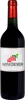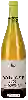
Domaine Ferrer RibièrePerle d'Octobre
 White wine
This wine generally goes well with vegetarian, poultry or lean fish.

Food and wine pairings with Perle d'Octobre
Pairings that work perfectly with Perle d'Octobre



Original food and wine pairings with Perle d'Octobre


The Perle d'Octobre of Domaine Ferrer Ribière matches generally quite well with dishes of pasta, vegetarian or poultry such as recipes of pasta with chicken, tuna, pepper and tomato quiche or quick brioche sausage.
Details and technical informations about Domaine Ferrer Ribière's Perle d'Octobre.
Discover the grape variety: Sainte-croix
Fruity, supple reds for early drinking with a clear ruby robe, soft tannins, airy palate and fresh acidity; signature aromas of red fruits (cherry, raspberry) and discrete herbal notes. Accessible cold-hardy style. Cold-resistant, cultivated in cold North American regions (Quebec, Minnesota, Wisconsin), suited to continental climates. Black hybrid bred in 1998 by Elmer Swenson in Minnesota.
Informations about the Domaine Ferrer Ribière
The Domaine Ferrer Ribière is one of of the world's great estates. It offers 23 wines for sale in the of Languedoc to come and discover on site or to buy online.

The wine region of Languedoc
Sunny, generous southern reds: spicy, peppery Syrah, round, candied Grenache (ripe fruit, garrigue), deep Mourvèdre, structured Carignan, supple Cinsault. From robust Corbières and Minervois to fresher Terrasses du Larzac, via Faugères on schist or taut Pic Saint-Loup. Lively, iodised Picpoul de Pinet whites (oysters), ample Roussanne and Marsanne. 14 sub-appellations, ~10,000 ha in regional AOC.
The wine region of Languedoc-Roussillon
Largest single French vineyard, dominated by sunny, generous reds. Spicy Syrah, candied Grenache (ripe fruit, garrigue), structured Carignan, deep Mourvèdre, supple Cinsault. Stars: structured Corbières, Minervois, Faugères, Saint-Chinian; round Côtes-du-Roussillon. Legendary vins doux naturels: Banyuls and Maury (fortified Grenache) with notes of cocoa, fig, prune.
The word of the wine: Sirupy
Close to the sensation of unctuousness, said of a wine that gives the impression of having the consistency of a syrup.