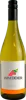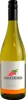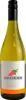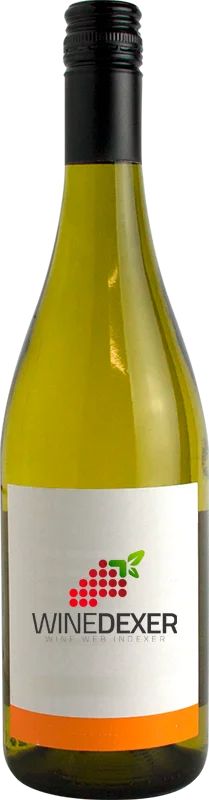
Winery Felsengartenkellerei BesigheimFels Grauburgunder Trocken
 White wine


In the mouth this white wine is a .
This wine generally goes well with pork, cured meat or mushrooms.

Taste structure of the Fels Grauburgunder Trocken from the Winery Felsengartenkellerei Besigheim
Light | Bold | |
Dry | Sweet | |
Soft | Acidic |
In the mouth the Fels Grauburgunder Trocken of Winery Felsengartenkellerei Besigheim in the region of Württemberg is a .
Food and wine pairings with Fels Grauburgunder Trocken
Pairings that work perfectly with Fels Grauburgunder Trocken


Original food and wine pairings with Fels Grauburgunder Trocken

The Fels Grauburgunder Trocken of Winery Felsengartenkellerei Besigheim matches generally quite well with dishes of pork, spicy food or mushrooms such as recipes of green lentils strasbourg style, chicken with rice and curry cream or home-made coq au vin.
Details and technical informations about Winery Felsengartenkellerei Besigheim's Fels Grauburgunder Trocken.
Discover the grape variety: Serna
Simple, fresh dry whites with a pale golden colour, a supple palate with moderate acidity and understated aromas of citrus and white flowers. Discreet rustic profile. Preserved in a few ampelographic collections for its heritage value; belongs to the old varieties whose commercial diffusion has almost disappeared and which are studied for their genetic and historical interest. Rare, poorly documented white variety cultivated in negligible quantities.
Last vintages of this wine
The best vintages of Fels Grauburgunder Trocken from Winery Felsengartenkellerei Besigheim are 0
Informations about the Winery Felsengartenkellerei Besigheim
The Winery Felsengartenkellerei Besigheim is one of wineries to follow in Württemberg.. It offers 91 wines for sale in the of Württemberg to come and discover on site or to buy online.

The wine region of Württemberg
Rare predominantly red region in Germany (nearly 70%). Supple, fruity everyday reds: light, crisp Trollinger (Schiava) with red fruits, more structured, spicy, deep Lemberger (Blaufränkisch), generous Schwarzriesling (Pinot Meunier). Riesling king of whites (>2,000 ha), lively and mineral, citrus and green apple. Germany's 4th region (11,500 ha) on the Neckar slopes around Heilbronn and Stuttgart.
The word of the wine: Left bank
In Bordeaux, refers to the vineyards located on the left bank of the Gironde, where the dominant grape variety is Cabernet Sauvignon. These are the Medoc, Haut-Médoc, Pessac-Leognan, Graves, etc. appellations.