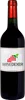
Winery Fellbacher WeingärtnerCaprea Spätburgunder Spatlese
 Red wine
In the mouth this red wine is a with a nice freshness.
This wine generally goes well with poultry, beef or veal.
Taste structure of the Caprea Spätburgunder Spatlese from the Winery Fellbacher Weingärtner
Light | Bold | |
Smooth | Tannic | |
Dry | Sweet | |
Soft | Acidic |
In the mouth the Caprea Spätburgunder Spatlese of Winery Fellbacher Weingärtner in the region of Württemberg is a with a nice freshness.
Food and wine pairings with Caprea Spätburgunder Spatlese
Pairings that work perfectly with Caprea Spätburgunder Spatlese



Original food and wine pairings with Caprea Spätburgunder Spatlese

The Caprea Spätburgunder Spatlese of Winery Fellbacher Weingärtner matches generally quite well with dishes of beef, veal or game (deer, venison) such as recipes of baeckeoffe, slow-cooked veal roast or duck breast and roasted peaches.
Details and technical informations about Winery Fellbacher Weingärtner's Caprea Spätburgunder Spatlese.
Discover the grape variety: Duras
Duras noir is a grape variety that originated in France (Tarn). It produces a variety of grape specially used for wine making. It is rare to find this grape to eat on our tables. This variety of grape is characterized by medium-sized bunches and small grapes. Duras noir can be found in several vineyards: South-West, Cognac, Bordeaux, Armagnac, Provence & Corsica, Rhone Valley, Languedoc & Roussillon.
Informations about the Winery Fellbacher Weingärtner
The Winery Fellbacher Weingärtner is one of of the world's great estates. It offers 90 wines for sale in the of Württemberg to come and discover on site or to buy online.

The wine region of Württemberg
Rare predominantly red region in Germany (nearly 70%). Supple, fruity everyday reds: light, crisp Trollinger (Schiava) with red fruits, more structured, spicy, deep Lemberger (Blaufränkisch), generous Schwarzriesling (Pinot Meunier). Riesling king of whites (>2,000 ha), lively and mineral, citrus and green apple. Germany's 4th region (11,500 ha) on the Neckar slopes around Heilbronn and Stuttgart.
The word of the wine: Empyreumatic
Families of smells and aromas related to smoke, burnt, and more generally to roasting.