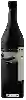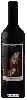
Winery Fazeli CellarsUproar
 Red wine



In the mouth this red wine is a powerful with a nice balance between acidity and tannins.
This wine generally goes well with poultry, beef or veal.
Taste structure of the Uproar from the Winery Fazeli Cellars
Light | Bold | |
Smooth | Tannic | |
Dry | Sweet | |
Soft | Acidic |
In the mouth the Uproar of Winery Fazeli Cellars in the region of California is a powerful with a nice balance between acidity and tannins.
Wine flavors and olphactive analysis





On the nose the Uproar of Winery Fazeli Cellars in the region of California often reveals types of flavors of non oak, oak or spices and sometimes also flavors of red fruit.
Food and wine pairings with Uproar
Pairings that work perfectly with Uproar



Original food and wine pairings with Uproar

The Uproar of Winery Fazeli Cellars matches generally quite well with dishes of beef, lamb or veal such as recipes of oxtail and carrot stew, lamb mice confit in port wine or axoa from espelette ( 22nd meeting ).
Details and technical informations about Winery Fazeli Cellars's Uproar.
Discover the grape variety: Maréchal Foch
Maréchal Foch noir is a grape variety that originated in France (Alsace). It is a variety resulting from a cross of the same species (interspecific hybridization). It produces a variety of grape specially used for wine making. It is rare to find this grape to eat on our tables. This variety of grape is characterized by small bunches and small grapes. The Maréchal Foch noir can be found cultivated in these vineyards: Provence & Corsica, Rhône Valley, Languedoc & Roussillon.
Last vintages of this wine
The best vintages of Uproar from Winery Fazeli Cellars are 2014, 0, 2015
Informations about the Winery Fazeli Cellars
The Winery Fazeli Cellars is one of of the world's greatest estates. It offers 27 wines for sale in the of California to come and discover on site or to buy online.

The wine region of California
California is the largest and most important wine region in the United States. It represents the southern two-thirds (850 miles or 1,370 kilometers) of the country's west coast. (Oregon and Washington make up the rest. ) The state also spans nearly 10 degrees of latitude.
The word of the wine: Mutage
The act of adding alcohol to a fresh grape must or to a fermenting must.