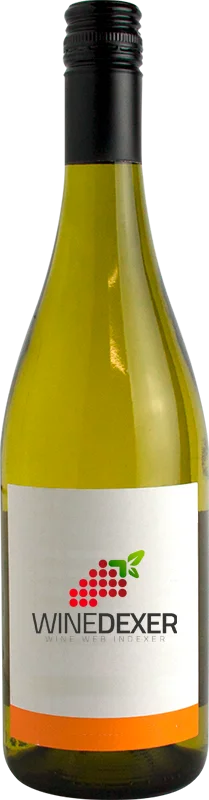
Winery Fattoria San GiulianoPassione Bianco
 White wine



In the mouth this white wine is a powerful.
This wine generally goes well with lean fish, shellfish or mature and hard cheese.
Taste structure of the Passione Bianco from the Winery Fattoria San Giuliano
Light | Bold | |
Dry | Sweet | |
Soft | Acidic |
In the mouth the Passione Bianco of Winery Fattoria San Giuliano in the region of Piedmont is a powerful.
Food and wine pairings with Passione Bianco
Pairings that work perfectly with Passione Bianco



Original food and wine pairings with Passione Bianco


The Passione Bianco of Winery Fattoria San Giuliano matches generally quite well with dishes of pasta, shellfish or mature and hard cheese such as recipes of pasta with boursin, seafood lasagna or basque lasagne.
Details and technical informations about Winery Fattoria San Giuliano's Passione Bianco.
Discover the grape variety: Bouteillan
Bouteillan blanc is a grape variety that originated in France (Provence). It produces a variety of grape specially used for wine making. It is rare to find this grape to eat on our tables. This variety of grape is characterized by large bunches and large grapes. Bouteillan blanc can be found cultivated in these vineyards: South West, Cognac, Bordeaux, Provence & Corsica, Rhone Valley.
Last vintages of this wine
The best vintages of Passione Bianco from Winery Fattoria San Giuliano are 0
Informations about the Winery Fattoria San Giuliano
The Winery Fattoria San Giuliano is one of of the world's great estates. It offers 20 wines for sale in the of Piedmont to come and discover on site or to buy online.

The wine region of Piedmont
Piedmont (Piemonte) holds an unrivalled place among the world's finest wine regions. Located in northwestern Italy, it is home to more DOCG wines than any other Italian region, including such well-known and respected names as Barolo, Barbaresco and Barbera d'Asti. Though famous for its Austere, Tannic, Floral">floral reds made from Nebbiolo, Piedmont's biggest success story in the past decade has been Moscato d'Asti, a Sweet, Sparkling white wine. Piedmont Lies, as its name suggests, at the foot of the Western Alps, which encircle its northern and western sides and form its naturally formidable border with Provence, France.
The word of the wine: Overmaturation
When the grapes reach maturity, the skin becomes permeable and progressively loses water, which causes a concentration phenomenon inside the berry. This is called over-ripening or passerillage.