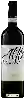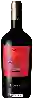
Winery Fasoli GinoAnima Bio Rosso Veneto
 Red wine



In the mouth this red wine is a powerful.
This wine generally goes well with beef, game (deer, venison) or lamb.
Taste structure of the Anima Bio Rosso Veneto from the Winery Fasoli Gino
Light | Bold | |
Smooth | Tannic | |
Dry | Sweet | |
Soft | Acidic |
In the mouth the Anima Bio Rosso Veneto of Winery Fasoli Gino in the region of Veneto is a powerful.
Food and wine pairings with Anima Bio Rosso Veneto
Pairings that work perfectly with Anima Bio Rosso Veneto



Original food and wine pairings with Anima Bio Rosso Veneto

The Anima Bio Rosso Veneto of Winery Fasoli Gino matches generally quite well with dishes of beef, pasta or lamb such as recipes of dombrés and pig tails, spaghetti with homemade pesto or marinated lamb chops (honey, worcestershire sauce, olive oil).
Details and technical informations about Winery Fasoli Gino's Anima Bio Rosso Veneto.
Discover the grape variety: Ribol
Light, simple, fruity reds with a pale ruby robe, silky tannins and an airy, moderately acidic palate, with undemonstrative aromas of red fruits. A discreet rustic profile. Preserved in a few ampelographic collections for its heritage value, Ribol is an ancient variety whose commercial cultivation has almost vanished; it is studied for its genetic interest. A rare black grape, poorly documented, grown in negligible quantities.
Last vintages of this wine
The best vintages of Anima Bio Rosso Veneto from Winery Fasoli Gino are 2016, 0
Informations about the Winery Fasoli Gino
The Winery Fasoli Gino is one of of the world's great estates. It offers 70 wines for sale in the of Veneto to come and discover on site or to buy online.

The wine region of Veneto
World star of Prosecco: fresh, light Glera sparklers with notes of pear, green apple and white flowers, fruity, convivial bubbles. Veronese reds from Corvina and Rondinella: light, crisp Bardolino, fruity Valpolicella, opulent, concentrated Amarone DOCG (black cherry, chocolate, raisin) from dried grapes. Mineral, almondy Soave (Garganega) whites, fresh Pinot Grigio. 97,500 ha, Italy's largest production.
The word of the wine: Braucol
See servadou iron.