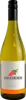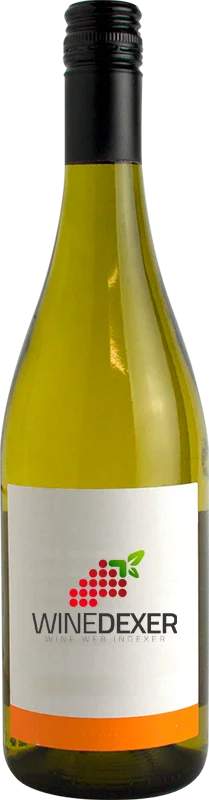
Winery Joëlle & Famille RossierAssemblage Blanc
 White wine


This wine is a blend of 4 varietals which are the Charmont, the Gewurztraminer, the Pinot blanc and the Pinot gris.
This wine generally goes well with poultry, rich fish (salmon, tuna etc) or shellfish.

Food and wine pairings with Assemblage Blanc
Pairings that work perfectly with Assemblage Blanc



Original food and wine pairings with Assemblage Blanc



The Assemblage Blanc of Winery Joëlle & Famille Rossier matches generally quite well with dishes of rich fish (salmon, tuna etc), shellfish or spicy food such as recipes of tuna and mozzarella pie, cuttlefish rust from my grandmother in sète or chicken fajitas.
Details and technical informations about Winery Joëlle & Famille Rossier's Assemblage Blanc.
Discover the grape variety: Charmont
Aromatic, structured dry whites with a pale golden robe, an ample palate and preserved acidity of refined white flowers (acacia, hawthorn), yellow fruits (peach, pear), citrus and mineral notes. An elegant profile between chasselas and chardonnay. Grown in French-speaking Switzerland for modern cuvées and identity blends. Swiss grape created in 1965 at Pully by André Jaquinet (chasselas × chardonnay).
Last vintages of this wine
The best vintages of Assemblage Blanc from Winery Joëlle & Famille Rossier are 0
Informations about the Winery Joëlle & Famille Rossier
The Winery Joëlle & Famille Rossier is one of of the world's greatest estates. It offers 17 wines for sale in the of Vaud to come and discover on site or to buy online.

The wine region of Vaud
World reference for Chasselas (~60% of the vineyard). Mineral, delicate whites with signature notes of green apple, citrus, white flowers, fresh almond and a saline touch, low acidity and a silky palate. Maximum expression in Lavaux (UNESCO 2007) on Lake Geneva terraces. Also La Côte, Chablais and the iconic Dézaley.
The word of the wine: Performance
Quantity of grapes harvested per hectare. In AOC, the average yield is limited on the proposal of the appellation syndicate, validated by the Inao. The use of high-performance plant material (especially clones) and better control of vine diseases have increased yields. This is not without consequences on the quality of the wines (dilution) and on the state of the market (too much wine). We must not over-simplify: low yields are not synonymous with quality, and it is often in years with generous harvests that we find the greatest vintages (1982 and 1986 in Bordeaux, 1996 in Champagne, 1990 and 2005 in Burgundy...).