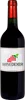
Winery Familia TraversaFaisan Tannat - Merlot
 Red wine



This wine is a blend of 2 varietals which are the Tannat and the Merlot.
This wine generally goes well with beef and game (deer, venison).

Food and wine pairings with Faisan Tannat - Merlot
Pairings that work perfectly with Faisan Tannat - Merlot


Original food and wine pairings with Faisan Tannat - Merlot
The Faisan Tannat - Merlot of Winery Familia Traversa matches generally quite well with dishes of beef or game (deer, venison) such as recipes of small stuffed fish from nice or wild rabbit with cider.
Details and technical informations about Winery Familia Traversa's Faisan Tannat - Merlot.
Discover the grape variety: Tannat
Powerful, tannic reds with inky colour and dense texture, with aromas of blackberry, blackcurrant, black plum, leather, liquorice and smoky notes. Very high ageing potential and polyphenol content (health reputation). Star of Madiran AOC in Béarn and the national grape of Uruguay (Canelones, Maldonado). Also grown in Irouléguy and Tursan. Late-ripening red variety from south-west France.
Last vintages of this wine
The best vintages of Faisan Tannat - Merlot from Winery Familia Traversa are 0
Informations about the Winery Familia Traversa
The Winery Familia Traversa is one of of the world's great estates. It offers 70 wines for sale in the of Montevideo to come and discover on site or to buy online.

The wine region of Montevideo
Main wine zone of Uruguay around the capital and Canelones, temperate humid climate of the Río de la Plata. Tannat signature as king red (~36%, only country where it dominates): powerful and fruity with notes of blackberry, plum, black cherry, cassis, liquorice, leather and spices, firm but locally polished tannins — fleshy fresh palate. Firm Cabernet Sauvignon and peppery Cabernet Franc in blends. Supple Merlot, round Chardonnay, zippy Albariño.
The word of the wine: Tartar (deposit)
White, chalky deposits that occur as a result of precipitation inside bottles and are often considered by consumers as a defect. They are in fact tartaric salts formed by tartaric acid, potassium and calcium naturally present in the wine. This deposit does not alter the quality of the wine and can be eliminated by a simple decanting.