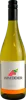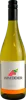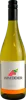
Winery FalerniaMoscatel - Sémillon Late Harvest Antakari
 Sweet wine



This wine generally goes well with poultry, rich fish (salmon, tuna etc) or shellfish.
The Moscatel - Sémillon Late Harvest Antakari of the Winery Falernia is in the top 60 of wines of Elqui Valley.

Food and wine pairings with Moscatel - Sémillon Late Harvest Antakari
Pairings that work perfectly with Moscatel - Sémillon Late Harvest Antakari



Original food and wine pairings with Moscatel - Sémillon Late Harvest Antakari

The Moscatel - Sémillon Late Harvest Antakari of Winery Falernia matches generally quite well with dishes of rich fish (salmon, tuna etc), shellfish or sweet desserts such as recipes of leek and salmon lasagna, knife feet or ultra-fast and yet so light....
Details and technical informations about Winery Falernia's Moscatel - Sémillon Late Harvest Antakari.
Discover the grape variety: Blanc Auba
Simple, fresh dry whites with a pale golden robe, a supple palate and moderate acidity. Understated aromas of citrus and Pyrenean white flowers. Rustic, airy profile. Almost extinct, preserved in INRAE varietal collections; it reflects the pre-phylloxera viticultural heritage of south-west France and is among the ancient varieties under study. A native white grape from France, once grown in Béarn and Tursan.
Last vintages of this wine
The best vintages of Moscatel - Sémillon Late Harvest Antakari from Winery Falernia are 2016, 2011, 0, 2015
Informations about the Winery Falernia
The Winery Falernia is one of of the world's great estates. It offers 72 wines for sale in the of Elqui Valley to come and discover on site or to buy online.

The wine region of Elqui Valley
Northernmost valley of Chile at the edge of the Atacama desert, very sunny desert climate (<70 mm rain/year), cool nights from the Pacific and the Andes. Syrah signature as king red: intense and concentrated with notes of black mulberry, cassis, violet, black pepper, olive, garrigue and a schistose mineral touch, firm tannins and sunny palate — unique high-altitude typicity. Zippy herbal Sauvignon Blanc in complement. Historic cradle of Chilean Pisco since the 16th c.
The wine region of Coquimbo
Chile's northernmost wine region (600 km north of Santiago), covering the Elqui, Limarí and Choapa valleys under a semi-desert climate cooled by the Pacific Camanchaca fog and the Andes. Syrah is the flagship red — intense blackcurrant, blackberry, black pepper, olive and a mineral-saline altitude edge, fine tannins and elegant freshness. Structured Cabernet Sauvignon. Taut Chardonnay and Sauvignon Blanc with citrus notes.
The word of the wine: Pruine
A thin, fluffy film that covers the surface of the grape. It makes the berry impermeable and contains the indigenous yeasts necessary for the fermentation of the must.