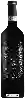
Winery Fabrizia CalderaDogliani
 Red wine



In the mouth this red wine is a powerful.
This wine generally goes well with beef, game (deer, venison) or lamb.

Taste structure of the Dogliani from the Winery Fabrizia Caldera
Light | Bold | |
Smooth | Tannic | |
Dry | Sweet | |
Soft | Acidic |
In the mouth the Dogliani of Winery Fabrizia Caldera in the region of Piedmont is a powerful.
Food and wine pairings with Dogliani
Pairings that work perfectly with Dogliani



Original food and wine pairings with Dogliani

The Dogliani of Winery Fabrizia Caldera matches generally quite well with dishes of beef, pasta or lamb such as recipes of beef colombo bourguignon style, quick salmon and zucchini lasagna or grandma melanie's cassoulet.
Details and technical informations about Winery Fabrizia Caldera's Dogliani.
Discover the grape variety: Servant
Table grape with elongated golden berries, thick skin and crunchy flesh; neutral and fresh taste with understated notes of white-fleshed fruits and fresh grape. Late-ripening with excellent winter storage. Grown for fresh consumption in the Mediterranean (Vaucluse, Var), prized for its excellent post-harvest keeping quality and historically served at year-end tables. Native French white table grape from the South-East.
Last vintages of this wine
The best vintages of Dogliani from Winery Fabrizia Caldera are 0
Informations about the Winery Fabrizia Caldera
The Winery Fabrizia Caldera is one of of the world's greatest estates. It offers 16 wines for sale in the of Dogliani to come and discover on site or to buy online.

The wine region of Dogliani
DOCG of the Piedmontese Langhe south of Cuneo, ~540 ha of clay-limestone hills 250-750 m. Historic cradle and finest expression of Dolcetto, 100% single varietal. Signature dry reds with deep robe and notes of black mulberry, cherry, plum, blueberry, bitter almond, violet and herbs, supple tannins and low acidity — bursting fruit and round palate. Nicknamed "little sweet" not for sugar but for ripe grape.
The wine region of Piedmont
Kingdom of Nebbiolo: Barolo and Barbaresco DOCG, long-ageing reds with firm tannins and lively acidity, complex aromas of withered rose, sour cherry, tar, truffle and undergrowth. More accessible, tangy Barbera on red fruit, supple, crisp Dolcetto. Sweet, floral sparkling Moscato d'Asti, mineral, lemony Gavi (Cortese) white, round, almondy Arneis from Roero. 50,000 ha across the Langhe, Roero and Monferrato, UNESCO.
The word of the wine: Pruine
A thin, fluffy film that covers the surface of the grape. It makes the berry impermeable and contains the indigenous yeasts necessary for the fermentation of the must.