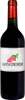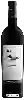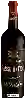
Winery EvaristianoMonica Di Sardegna Flora
 Red wine



In the mouth this red wine is a powerful.
This wine generally goes well with beef, lamb or pasta.

Taste structure of the Monica Di Sardegna Flora from the Winery Evaristiano
Light | Bold | |
Smooth | Tannic | |
Dry | Sweet | |
Soft | Acidic |
In the mouth the Monica Di Sardegna Flora of Winery Evaristiano in the region of Sardinia is a powerful.
Food and wine pairings with Monica Di Sardegna Flora
Pairings that work perfectly with Monica Di Sardegna Flora



Original food and wine pairings with Monica Di Sardegna Flora
The Monica Di Sardegna Flora of Winery Evaristiano matches generally quite well with dishes of beef, pasta or lamb such as recipes of fresh sausage, one pot pasta with creamy chicken farfalle or tajine of mutton.
Details and technical informations about Winery Evaristiano's Monica Di Sardegna Flora.
Discover the grape variety: Falanghina
Lively, aromatic dry whites with a pale golden robe, an elegant palate and preserved acidity, with signature aromas of citrus (lemon, grapefruit), white flowers (acacia, honeysuckle), white-fleshed fruits (apple, pear) and volcanic mineral notes. Refreshing Mediterranean profile. Star of Falanghina del Sannio DOP and signature of the Vesuvian coast. Native Italian variety from Campania, one of the oldest in southern Italy (Roman era).
Last vintages of this wine
The best vintages of Monica Di Sardegna Flora from Winery Evaristiano are 0
Informations about the Winery Evaristiano
The Winery Evaristiano is one of of the world's greatest estates. It offers 5 wines for sale in the of Sardinia to come and discover on site or to buy online.

The wine region of Sardinia
Italian Mediterranean wine island with 250+ varieties, strong native identity. Signature Cannonau (Grenache) in red: warm and deep with signature ripe cherry, garrigue, myrtle, spice and a balsamic touch, round tannins and a sun-drenched palate. Vermentino di Gallura DOCG star white (80% of Italian Vermentino): fresh and saline (citrus, pear, almond, sea iodine). Also dense Carignan, supple Monica, lively Nuragus, rare oxidative Vernaccia di Oristano.
The word of the wine: Maceration
Prolonged contact and exchange between the juice and the grape solids, especially the skin. Not to be confused with the time of fermentation, which follows maceration. The juice becomes loaded with colouring matter and tannins, and acquires aromas. For a rosé, the maceration is short so that the colour does not "rise" too much. For white wines too, a "pellicular maceration" can be practised, which allows the wine to acquire more fat.