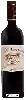
Winery Eugène ReullierChâteau Cornelien Loupiac
 Sweet wine
This wine generally goes well with vegetarian, poultry or rich fish (salmon, tuna etc).

Food and wine pairings with Château Cornelien Loupiac
Pairings that work perfectly with Château Cornelien Loupiac



Original food and wine pairings with Château Cornelien Loupiac


The Château Cornelien Loupiac of Winery Eugène Reullier matches generally quite well with dishes of rich fish (salmon, tuna etc), shellfish or sweet desserts such as recipes of peppers stuffed with tuna and parmesan, fried rice with shrimp and chicken or express cherry clafoutis.
Details and technical informations about Winery Eugène Reullier's Château Cornelien Loupiac.
Discover the grape variety: Kanzler
Aromatic, full-bodied whites to drink young with a golden robe, ample palate with moderate acidity, showing signature muscat, white flower (elderflower), ripe white-fleshed fruit and floral aromas. Also produced as off-dry. Grown in small quantities in Rhineland-Hesse and the German Palatinate for typical dry and medium-dry wines. White variety obtained in 1927 at Alzey by Georg Scheu (müller-thurgau × silvaner), early-ripening.
Informations about the Winery Eugène Reullier
The Winery Eugène Reullier is one of of the world's great estates. It offers 131 wines for sale in the of Loupiac to come and discover on site or to buy online.

The wine region of Loupiac
Sweet AOC on the right bank of the Garonne (Entre-deux-Mers, opposite Barsac): Sémillon signature sweet white king (~80%) — thick skin welcoming Botrytis cinerea (noble rot), signature rich, ample and unctuous profile with signature aromas of honey, candied fruits, dried apricot and white flowers, elegant structure balanced by acidity. Sauvignon Blanc bringing citrus liveliness and herbaceous touches, floral Muscadelle in complement. Style close to Sauternes.
The wine region of Bordeaux
World-renowned age-worthy reds, led by round Merlot (plum, black fruit) or firm Cabernet Sauvignon (blackcurrant, cedar, graphite), blended with Cabernet Franc and Petit Verdot for tannic structure. Structured Médoc and Graves, velvety Saint-Émilion and Pomerol. Also crisp dry whites (Sauvignon/Sémillon) and opulent sweet Sauternes with honey and candied fruit. A 110,000 ha Gironde vineyard, 65 appellations, cradle of the 1855 classified growths.
The word of the wine: Plant
Smells present in certain wines and characteristic of the plant world. Heather, mint or blackcurrant leaf are considered pleasant, while herbaceous notes are considered a defect.