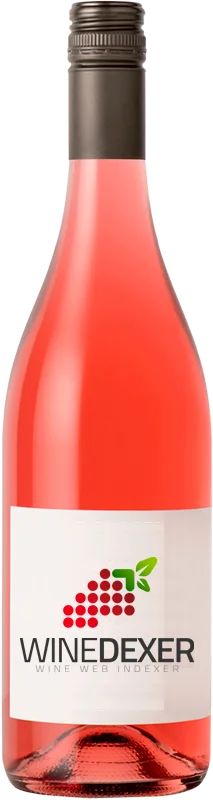
Winery EszterbauerNapszámos Néro Rozé
 Pink wine



This wine generally goes well with pork, poultry or beef.

Food and wine pairings with Napszámos Néro Rozé
Pairings that work perfectly with Napszámos Néro Rozé



Original food and wine pairings with Napszámos Néro Rozé


The Napszámos Néro Rozé of Winery Eszterbauer matches generally quite well with dishes of beef, lamb or pork such as recipes of roast beef in a crust, merguez - courgettes gratin (leftover barbecue) or tomatoes stuffed with sausage meat.
Details and technical informations about Winery Eszterbauer's Napszámos Néro Rozé.
Discover the grape variety: Carmenère
Velvety, deep reds with a dark robe and round tannins, showing aromas of blackberry, plum, ripe red pepper, dark chocolate, coffee and gentle spice. Warm, supple finish. Absolute star of Chile (Colchagua, Cachapoal, Maipo) where it was rediscovered in 1994, long confused with Merlot. A historic Bordeaux variety that nearly vanished after phylloxera, a cross of Cabernet Franc × Gros Cabernet.
Last vintages of this wine
The best vintages of Napszámos Néro Rozé from Winery Eszterbauer are 0, 2018
Informations about the Winery Eszterbauer
The Winery Eszterbauer is one of of the world's great estates. It offers 28 wines for sale in the of Szekszárd to come and discover on site or to buy online.

The wine region of Szekszárd
Southern Hungarian region, land of velvety, spicy reds. Signature Szekszardi Bikaver (local "Bull's Blood"): a blend of dominant Kekfrankos (Blaufrankisch) and native Kadarka, with signature notes of ripe cherry, plum, paprika, hibiscus, tobacco and sweet spice, velvety tannins and southern roundness — softer and sunnier than Eger's. Also peppery Cabernet Franc and dense Cabernet Sauvignon. Mild Pannonian climate, loess soils over limestone.
The wine region of Dél-Pannónia
Southern Hungary (Pécs, Szekszárd, Villány, Tolna), ~7,800 ha on loess and limestone, continental climate with Mediterranean influences — bastion of great Hungarian reds. Kékfrankos and Kadarka signatures as native red kings: spiced and structured with black cherry, blackberry, plum, paprika, pepper and smoky hint, firm tannins. Ripe Cabernet Franc and Sauvignon in Bordeaux blends at Villány. Specialities Szekszárdi Bikavér and unique Cirfandli white at Pécs (spiced, honeyed).
The word of the wine: Rosé (champagne)
Unique rosé wine made by blending white wine with a small amount of red Champagne. It is however possible to vinify the must directly into rosé.