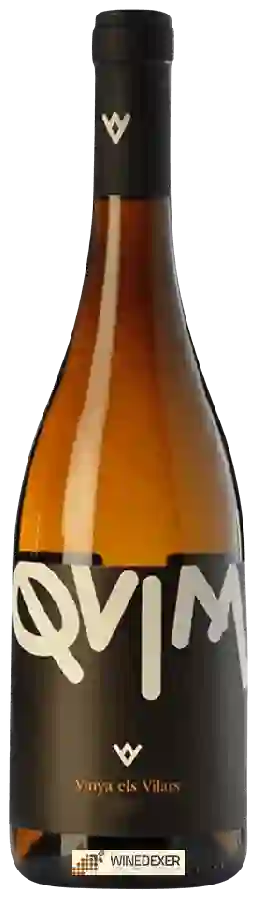
Winery Vinya Els VilarsQuim
 White wine


This wine generally goes well with

Details and technical informations about Winery Vinya Els Vilars's Quim.
Discover the grape variety: Macabeo
Structured, aromatic dry whites with an ample palate and moderate acidity, showing aromas of citrus (lemon, grapefruit), white flowers (acacia), pear, green apple, light honey and fresh almond notes. Fine ageing potential. Essential component of Cava DO sparkling (with xarel·lo and parellada), pillar of Rioja DOCa whites (as viura) and Roussillon AOC whites. Autochthonous Aragonese variety, aromatic signature of the great Iberian whites.
Last vintages of this wine
The best vintages of Quim from Winery Vinya Els Vilars are 0
Informations about the Winery Vinya Els Vilars
The Winery Vinya Els Vilars is one of of the world's greatest estates. It offers 8 wines for sale in the of Costers del Segre to come and discover on site or to buy online.

The wine region of Costers del Segre
Catalan DO of Lleida, 6 subzones from plain to Pyrenean foothills (up to 1,000 m). Raïmat estate qualitative pioneer. Tempranillo (Ull de Llebre) signature in red: round and accessible with signature notes of ripe cherry, plum, soft vanilla, leather and a spicy touch, supple tannins and a gourmand palate. Firm Cabernet, fine Pinot Noir, Catalan Trepat.
The wine region of Catalogne
Cradle of Cava (~95% of Spanish output, traditional method): Macabeo, Xarel-lo, Parellada trilogy, fine fruity bubble. Quality peak in Priorat DOCa: dense, mineral reds on llicorella (schist), old-vine Garnacha and Cariñena with black fruit, garrigue notes, firm tannins. Also Penedès, fleshy Montsant, sunny Empordà, Costers del Segre. Mediterranean.
The word of the wine: Mouth
The mouth is the third stage of wine tasting after the eye and nose. In the mouth, the taster identifies the aromas through the retronasal route, the flavours and the texture. It is in the mouth that the overall balance of the wine is apprehended.




