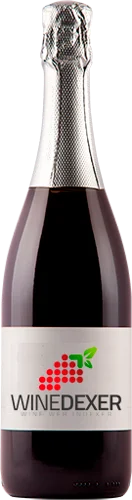
The Winery Poema of Cava

The Winery Poema is one of the world's great estates. It offers 15 wines for sale in of Cava to come and discover on site or to buy online.
Looking for the best Winery Poema wines in Cava among all the wines in the region? Check out our tops of the best red, white or effervescent Winery Poema wines. Also find some food and wine pairings that may be suitable with the wines from this area. Learn more about the region and the Winery Poema wines with technical and enological descriptions.
How Winery Poema wines pair with each other generally quite well with dishes of shellfish, appetizers and snacks or lean fish such as recipes of monkfish tail with coconut milk and curry, mini burgers or quick fish parmentier.
On the nose the sparkling wine of Winery Poema. often reveals types of flavors of non oak, earth or microbio and sometimes also flavors of vegetal, oak or tree fruit. In the mouth the sparkling wine of Winery Poema. is a with a nice vivacity and a fine and pleasant bubble.
Cava is Spain's signature style of Sparkling wine, and the Iberian Peninsula's answer to Champagne. The traditional Grape varieties used in Cava were Macabeo, Parellada and Xarel-lo, but the Champagne varieties Chardonnay and Pinot Noir are also used. While the first Cava was produced exclusively in Catalonia - specifically in a small town called San Sadurní de Noya - modern Cava can be sourced from various regions of Spain. Aragon, Navarre, Rioja, Pais Vasco, Valencia and Extremadura have specific delimited areas that can benefit from the designation of origin.
In reality, less than 10% of Cava wines come from these regions. The heart of Cava production is still in San Sadurní de Noya. All the scattered areas share similarities in Climate, largely Mediterranean, with moderate rainfall. Most of the vineyards are at around 200-300 metres (650-985ft), although some reach 800m (2,625ft).
How Winery Poema wines pair with each other generally quite well with dishes of shellfish, appetizers and snacks or lean fish such as recipes of marinated shrimp sautéed asian style, chorizo puff pastry or blanquette with 2 fish and seafood.
The black Tempranillo is a grape variety native to Spain. It produces a variety of grape specially used for the elaboration of wine. It is rare to find this grape to eat on our tables. This variety of grape is characterized by medium-sized bunches and medium-sized grapes. The black Tempranillo can be found in several vineyards: South-West, Languedoc & Roussillon, Cognac, Bordeaux, Rhone valley, Provence & Corsica, Loire valley, Savoie & Bugey, Beaujolais.
How Winery Poema wines pair with each other generally quite well with dishes of beef, pasta or veal such as recipes of beef lark, spaghetti with beef balls or veal tagine with preserved lemons and saffron.
On the nose the red wine of Winery Poema. often reveals types of flavors of earth, oak or red fruit and sometimes also flavors of black fruit. In the mouth the red wine of Winery Poema. is a powerful with a lot of tannins present in the mouth.
A slat of wood that makes up the barrel.
How Winery Poema wines pair with each other generally quite well with dishes of pork, shellfish or vegetarian such as recipes of endive frichti, fish pot or summer tuna quiche.
On the nose the white wine of Winery Poema. often reveals types of flavors of earth, microbio or oak and sometimes also flavors of tree fruit, citrus fruit. In the mouth the white wine of Winery Poema. is a .
The white Parellada is a grape variety that originated in France (Spain). It produces a variety of grape specially used for the elaboration of wine. It is rare to find this grape to eat on our tables. This variety of grape is characterized by large bunches of grapes of medium size. The white Parellada can be found cultivated in these vineyards: Languedoc & Roussillon, South West.
Planning a wine route in the of Cava? Here are the wineries to visit and the winemakers to meet during your trip in search of wines similar to Winery Poema.
A very old grape variety found mainly in Catalonia (Spain), in the regions of Conca de Barbera and Costers del Segre, and also in the Balearic Islands, Murcia, Valencia, etc. It is said to be related to the white heben and has no link with the white trepat of Priorat. Before the phylloxera crisis, it could be found in Languedoc and Roussillon, which is no longer the case today, but it could be interesting for producing excellent and original rosé wines.