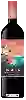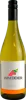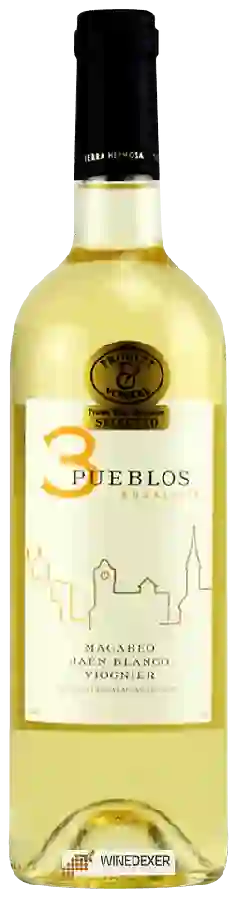
Winery Tierra Hermosa3 Pueblos
 White wine



This wine generally goes well with pork, poultry or game (deer, venison).
Wine flavors and olphactive analysis

On the nose the 3 Pueblos of Winery Tierra Hermosa in the region of Andalousie often reveals types of flavors of tree fruit, citrus fruit.
Food and wine pairings with 3 Pueblos
Pairings that work perfectly with 3 Pueblos



Original food and wine pairings with 3 Pueblos



The 3 Pueblos of Winery Tierra Hermosa matches generally quite well with dishes of pork, game (deer, venison) or shellfish such as recipes of rabbit with prunes, medallions of monkfish with citrus fruits or scupion (small cuttlefish) in hot sauce.
Details and technical informations about Winery Tierra Hermosa's 3 Pueblos.
Discover the grape variety: Viognier
White Viognier is a grape variety that originated in France (Rhone Valley). It produces a variety of grape specially used for wine making. It is rare to find this grape to eat on our tables. This variety of grape is characterized by small bunches, and grapes of small size. White Viognier can be found in many vineyards: South West, Languedoc & Roussillon, Cognac, Bordeaux, Rhone Valley, Burgundy, Jura, Champagne, Savoie & Bugey, Provence & Corsica, Loire Valley, Beaujolais.
Last vintages of this wine
The best vintages of 3 Pueblos from Winery Tierra Hermosa are 2013, 0
Informations about the Winery Tierra Hermosa
The Winery Tierra Hermosa is one of of the world's greatest estates. It offers 4 wines for sale in the of Andalousie to come and discover on site or to buy online.

The wine region of Andalousie
Andalusia, located in the southwest of Spain, is the southernmost administrative region of the Spanish mainland. It is home to the world-famous fortified wine, sherry. This dynamic region is the most populous in Spain and has a colourful history. Its strategic position at the gateway to the Mediterranean and its proximity to Africa have made it the target of many settlements and invasions throughout history.
The word of the wine: Deposit
Solid particles that can naturally coat the bottom of a bottle of wine. It is rather a guarantee that the wine has not been mistreated: in fact, to avoid the natural deposit, rather violent processes of filtration or cold passage (- 7 or - 8 °C) are used in order to precipitate the tartar (the small white crystals that some people confuse with crystallized sugar: just taste to dissuade you from it)