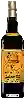
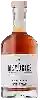
Winery De MullerDom Juncosa
 Sweet wine


This wine generally goes well with beef and mature and hard cheese.
Food and wine pairings with Dom Juncosa
Pairings that work perfectly with Dom Juncosa


Original food and wine pairings with Dom Juncosa
The Dom Juncosa of Winery De Muller matches generally quite well with dishes of beef or mature and hard cheese such as recipes of beef pot au feu (grandma's style) or chicken gaston gérard style.
Details and technical informations about Winery De Muller's Dom Juncosa.
Discover the grape variety: Genovèse
Genovese blanc is a grape variety that originated in France (Corsica). It produces a variety of grape specially used for wine making. It is rare to find this grape to eat on our tables. Genovese blanc can be found cultivated in these vineyards: South-West, Cognac, Bordeaux, Provence & Corsica, Rhone Valley.
Last vintages of this wine
The best vintages of Dom Juncosa from Winery De Muller are 0
Informations about the Winery De Muller
The Winery De Muller is one of of the world's great estates. It offers 79 wines for sale in the of Priorat to come and discover on site or to buy online.

The wine region of Priorat
The wine region of Priorat is located in the region of Catalogne of Spain. Wineries and vineyards like the Domaine Álvaro Palacios or the Domaine Mas Doix produce mainly wines red, white and sweet. The most planted grape varieties in the region of Priorat are Cabernet-Sauvignon, Merlot and Tempranillo, they are then used in wines in blends or as a single variety. On the nose of Priorat often reveals types of flavors of cherry, espresso or hay and sometimes also flavors of straw, bay leaf or chamomile.
The wine region of Catalogne
Catalonia (Catalunya in Catalan and Cataluña in Spanish) is an autonomous community in the Northeast of Spain. It extends from the historic county (comarca) of Montsia in the South to the border with France in the north. The Mediterranean Sea forms its eastern border and offers 580 km of coastline. The Catalunya D.
The word of the wine: Maturing (champagne)
After riddling, the bottles are stored on "point", upside down, with the neck of one bottle in the bottom of the other. The duration of this maturation is very important: in contact with the dead yeasts, the wine takes on subtle aromas and gains in roundness and fatness. A brut without year must remain at least 15 months in the cellar after bottling, a vintage 36 months.