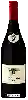
Winery AzabacheGarnacha Seleccionada
 Red wine


In the mouth this red wine is a powerful with a nice balance between acidity and tannins.
This wine generally goes well with poultry, beef or veal.

Taste structure of the Garnacha Seleccionada from the Winery Azabache
Light | Bold | |
Smooth | Tannic | |
Dry | Sweet | |
Soft | Acidic |
In the mouth the Garnacha Seleccionada of Winery Azabache in the region of Rioja is a powerful with a nice balance between acidity and tannins.
Wine flavors and olphactive analysis



On the nose the Garnacha Seleccionada of Winery Azabache in the region of Rioja often reveals types of flavors of non oak, oak or spices and sometimes also flavors of citrus fruit, black fruit.
Food and wine pairings with Garnacha Seleccionada
Pairings that work perfectly with Garnacha Seleccionada



Original food and wine pairings with Garnacha Seleccionada

The Garnacha Seleccionada of Winery Azabache matches generally quite well with dishes of beef, lamb or veal such as recipes of chinese noodles with beef, lamb breast with onions and tomato sauce or roast veal with cider.
Details and technical informations about Winery Azabache's Garnacha Seleccionada.
Discover the grape variety: Listan
Structured and oxidative whites, with a golden to amber robe, a full palate marked by the flor veil and controlled oxidation on walnut, almond, yeast, apple and saline iodine notes. Emblematic pillar of Jerez DO (Fino, Manzanilla, Amontillado, Oloroso) and aromatic signature of Andalusian veil wines. Spanish synonym of Palomino, autochthonous white variety of Andalusia.
Last vintages of this wine

The best vintages of Garnacha Seleccionada from Winery Azabache are 2014, 2011, 0, 2016 and 2013.
Informations about the Winery Azabache
The Winery Azabache is one of of the world's greatest estates. It offers 33 wines for sale in the of Rioja to come and discover on site or to buy online.

The wine region of Rioja
Star of great Spanish reds: signature Tempranillo, elegant and complex, with notes of ripe cherry, plum, leather, vanilla and tobacco from American oak ageing. Classification by age: fruity Joven, balanced Crianza, ample Reserva, deep, silky Gran Reserva (5 years, 2 in barrel). Some fresh Viura whites and generous rosés. Spain's first DOCa (1991), 3 sub-zones (Alta, Alavesa, Oriental), 93.
The word of the wine: Sweet
Generic term for wines containing residual sugar (natural sugars in the grapes that have not been transformed into alcohol). It is also used to describe a wine with a dominantly sweet flavour, without further explanation.