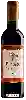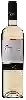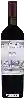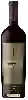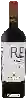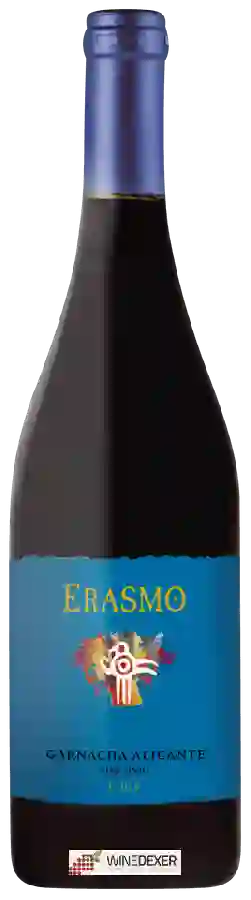
Winery ErasmoGarnacha - Alicante
 Red wine


This wine generally goes well with pork, beef or lamb.

Wine flavors and olphactive analysis



On the nose the Garnacha - Alicante of Winery Erasmo in the region of Central Valley often reveals types of flavors of non oak, earth or oak and sometimes also flavors of spices, red fruit.
Food and wine pairings with Garnacha - Alicante
Pairings that work perfectly with Garnacha - Alicante



Original food and wine pairings with Garnacha - Alicante

The Garnacha - Alicante of Winery Erasmo matches generally quite well with dishes of beef, lamb or pork such as recipes of meat and goat pie, rack of lamb in a salt crust or delicious marinated pork chops.
Details and technical informations about Winery Erasmo's Garnacha - Alicante.
Discover the grape variety: Rouge du Pays
Structured and elegant reds with a deep ruby robe, firm yet melted tannins and a dense palate with fine acidity, showing signature aromas of red fruits (morello cherry, raspberry), spices, pepper and Alpine mineral notes. Fine Valaisan ageing potential. Star of the great Valaisan reds on the sun-drenched slopes of the Swiss Rhône, a typical expression of Alpine terroir. Valaisan synonym for Cornalin, native black grape from Valais, identical to Cornalin from the Aosta Valley.
Last vintages of this wine

The best vintages of Garnacha - Alicante from Winery Erasmo are 2016, 0
Informations about the Winery Erasmo
The Winery Erasmo is one of of the world's greatest estates. It offers 9 wines for sale in the of Maule Valley to come and discover on site or to buy online.

The wine region of Maule Valley
Historic cradle of Chilean viticulture (16th century). Quality revival around old-vine Carignan (70+ years): dense, deep reds with notes of blackberry, candied plum, spices and fine tannins, a unique expression. Sturdy Cabernet Sauvignon, supple Carménère (ripe pepper, black fruits), juicy Côt (Malbec), round Merlot. Some sharp Sauvignon Blanc.
The wine region of Central Valley
Heart of modern Chilean wine: structured, sunny reds, dense, blackcurranty Cabernet Sauvignon from Maipo (Chilean cradle of the grape), signature Carménère with notes of ripe pepper, black fruit and sweet spices from Colchagua, supple Merlot and deep Syrah. Round Chardonnay whites and lively, sharp Sauvignon. Mediterranean climate, 400 km between Andes and Pacific. Star sub-regions: Maipo, Cachapoal, Colchagua, Curicó, Maule.
The word of the wine: Over-ripeness
Characteristic of grapes harvested late, rich in sugar, which give wines often mellow and marked by candied aromas.