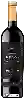
Winery 8Lunas8 Lunas
 Red wine



In the mouth this red wine is a powerful with a nice freshness.
This wine generally goes well with poultry, beef or veal.
Taste structure of the 8 Lunas from the Winery 8Lunas
Light | Bold | |
Smooth | Tannic | |
Dry | Sweet | |
Soft | Acidic |
In the mouth the 8 Lunas of Winery 8Lunas in the region of Castille-et-Léon is a powerful with a nice freshness.
Food and wine pairings with 8 Lunas
Pairings that work perfectly with 8 Lunas



Original food and wine pairings with 8 Lunas

The 8 Lunas of Winery 8Lunas matches generally quite well with dishes of beef, pasta or veal such as recipes of spaghetti with beef balls, chicken wok with chinese noodles or veal tagine with carrots and dried apricots.
Details and technical informations about Winery 8Lunas's 8 Lunas.
Discover the grape variety: Muscat reine des vignes
Obtained in Hungary in 1916 by Jean (Janos) Mathiasz by crossing the Beirut date tree with the Csaba pearl. This variety is nowadays very little multiplied, but it is registered in the Official Catalogue of table grape varieties list A1.
Last vintages of this wine
The best vintages of 8 Lunas from Winery 8Lunas are 2014, 0
Informations about the Winery 8Lunas
The Winery 8Lunas is one of of the world's greatest estates. It offers 5 wines for sale in the of Castille-et-Léon to come and discover on site or to buy online.

The wine region of Castille-et-Léon
Located in the northern half of the Central Iberian plateau, Castilla y León is the largest of Spain's 17 administrative regions, covering about one-fifth of the country's total area. It extends about 350 kilometres (220 miles) from central Spain to the northern coast. Just as wide, it connects the Rioja wine region to the Portuguese border. Red wines reign supreme in Castilla y León, and the Tempranillo grape is undoubtedly the king.
The word of the wine: Draft liquor (champagne)
After blending, the wine is bottled with a liqueur de tirage (a mixture of sugar and wine) and a yeast (selected yeasts). The yeast attacks the sugar and creates carbon dioxide. The fermentation, which lasts about two months, is prolonged by an ageing period (15 months minimum in total). The bottle is capped (some rare vintages are capped with a staple and a cork).