The Winery Duvernay of Côtes-du-Rhône of Rhone Valley
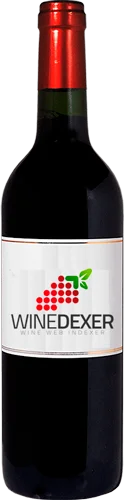
The Winery Duvernay is one of the best wineries to follow in Côtes-du-Rhône.. It offers 3 wines for sale in of Côtes-du-Rhône to come and discover on site or to buy online.
Looking for the best Winery Duvernay wines in Côtes-du-Rhône among all the wines in the region? Check out our tops of the best red, white or effervescent Winery Duvernay wines. Also find some food and wine pairings that may be suitable with the wines from this area. Learn more about the region and the Winery Duvernay wines with technical and enological descriptions.
How Winery Duvernay wines pair with each other generally quite well with dishes of beef, lamb or game (deer, venison) such as recipes of puchero, lamb shoulder cooked for 5 hours or veal head with vinaigrette.
The wine region of Côtes-du-Rhône is located in the region of Rhône méridional of Rhone Valley of France. Wineries and vineyards like the Château de Beaucastel or the Chateau de Fonsalette produce mainly wines red, white and pink. The most planted grape varieties in the region of Côtes-du-Rhône are Mourvèdre, Viognier and Marsanne, they are then used in wines in blends or as a single variety. On the nose of Côtes-du-Rhône often reveals types of flavors of pineapple, red plum or sour cherry and sometimes also flavors of truffle, juniper or clove.
In the mouth of Côtes-du-Rhône is a powerful with a nice balance between acidity and tannins. We currently count 1765 estates and châteaux in the of Côtes-du-Rhône, producing 4241 different wines in conventional, organic and biodynamic agriculture. The wines of Côtes-du-Rhône go well with generally quite well with dishes of pork, rich fish (salmon, tuna etc) or mature and hard cheese.
Planning a wine route in the of Côtes-du-Rhône? Here are the wineries to visit and the winemakers to meet during your trip in search of wines similar to Winery Duvernay.
Probably originating in the Languedoc, oeillade Noire is known by other names such as olhada, aragnan noir, ulhat, hulliade or croque. This variety should not be confused with Cinsault, which is highly productive, producing up to 5kg per vine, and is particularly noted for its drooping habit and vigour. The black eye is a late bloomer. Oidium, mildew and grey rot are its main enemies. It requires a rather short pruning, coulure and millerandage could harm its development and the grapes it would bear. It prefers a good exposure and reaches maturity around the second half of August. Its bunches are of medium size and its fruits have a great resemblance to those of the Cinsault. They have been eaten fresh at the table for a long time. The wine produced from this variety is quite alcoholic and has a colour similar to that of a cherry. The variety is no longer multiplied and seems to be on the way out.