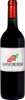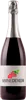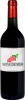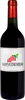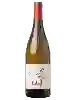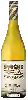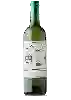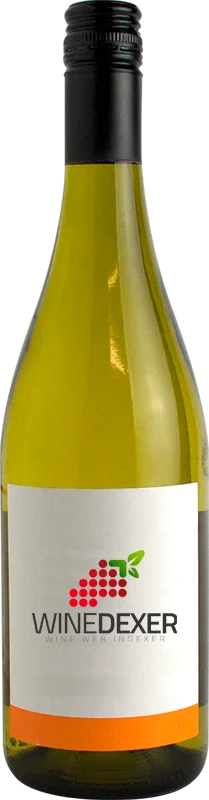
Winery DubardCoeur du Mont Sauvignon Blanc
 White wine


This wine generally goes well with vegetarian, rich fish (salmon, tuna etc) or shellfish.

Wine flavors and olphactive analysis


On the nose the Coeur du Mont Sauvignon Blanc of Winery Dubard in the region of South West often reveals types of flavors of grapefruit, citrus or lemon and sometimes also flavors of earth, tree fruit or citrus fruit.
Food and wine pairings with Coeur du Mont Sauvignon Blanc
Pairings that work perfectly with Coeur du Mont Sauvignon Blanc



Original food and wine pairings with Coeur du Mont Sauvignon Blanc
The Coeur du Mont Sauvignon Blanc of Winery Dubard matches generally quite well with dishes of rich fish (salmon, tuna etc), shellfish or vegetarian such as recipes of grilled sea bass with herbs, chinese fried shrimp ravioli or broccoli and blue cheese quiche without pastry.
Details and technical informations about Winery Dubard's Coeur du Mont Sauvignon Blanc.
Discover the grape variety: Vuillermin
Structured, elegant reds with fine ageing potential, a deep ruby robe, fine tannins, an ample palate and fresh acidity; signature aromas of black fruits (blackberry), spices, alpine herbs and floral notes (violet). Distinctive alpine profile. Preserved for its heritage value by a few committed Valdostan growers. Rare black grape of the Aosta Valley, nearly extinct and rediscovered in the 1990s.
Last vintages of this wine
The best vintages of Coeur du Mont Sauvignon Blanc from Winery Dubard are 2019
Informations about the Winery Dubard
The Winery Dubard is one of of the world's greatest estates. It offers 22 wines for sale in the of South West to come and discover on site or to buy online.

The wine region of South West
French mosaic of strong identities south of Bordeaux. Cahors and its Malbec ("black wine"): deep reds with notes of blackberry, plum, violet, tobacco and cocoa, firm tannins. Madiran and its dense, age-worthy Tannat. Jurançon whites: golden sweet (apricot, honey, pineapple) and lively dry from Petit Manseng.
The word of the wine: Green
Said of a wine that is too acidic or marked by unpleasant vegetal tastes.