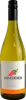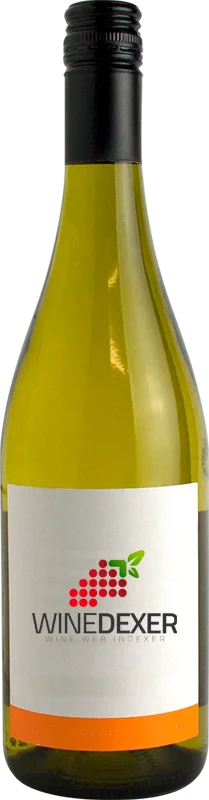
Winery DonnairesDão Doc Branco
 White wine


In the mouth this white wine is a with a nice freshness.
This wine generally goes well with appetizers and snacks, lean fish or shellfish.
Taste structure of the Dão Doc Branco from the Winery Donnaires
Light | Bold | |
Dry | Sweet | |
Soft | Acidic |
In the mouth the Dão Doc Branco of Winery Donnaires in the region of Beiras is a with a nice freshness.
Food and wine pairings with Dão Doc Branco
Pairings that work perfectly with Dão Doc Branco



Original food and wine pairings with Dão Doc Branco

The Dão Doc Branco of Winery Donnaires matches generally quite well with dishes of shellfish, appetizers and snacks or lean fish such as recipes of cuttlefish a la plancha, pretzels (alsace) or very simple fish with fresh pasta.
Details and technical informations about Winery Donnaires's Dão Doc Branco.
Discover the grape variety: Hibou blanc
A very old grape variety once cultivated in Savoy, now endangered. It is not the white form of the black owl.
Last vintages of this wine
The best vintages of Dão Doc Branco from Winery Donnaires are 2016, 0
Informations about the Winery Donnaires
The Winery Donnaires is one of of the world's greatest estates. It offers 4 wines for sale in the of Beiras to come and discover on site or to buy online.

The wine region of Beiras
Beiras (Beira) is a traditional administrative region in the northern half of Portugal. It is also the name of the IGP, or Indicacoes Geograficas Protegidas, wine classification (formerly known as Vinho Regional) which covers the region as a whole. A wide range of wines are made in Beiras – red wines from the region are typically Rich, deeply colored wines made from Baga, Castelão, Rufete (Tinto Pinheira), Merlot, Cabernet Sauvignon, Syrah and Touriga Nacional, and are sometimes fortified to emulate their more famous Oporto cousins. Whites are most often based on Fernão Pires and Bical, the latter being a small-berried variety with the affectionate nickname Borrado das Moscaos ('fly droppings').
The word of the wine: AOC
Appellation d'origine contrôlée. The most prestigious category of French wines created in the 1930s on the basis of quality criteria defined by a geographical delimitation, a chosen grape variety and precise production rules.