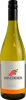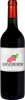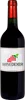
Winery DonnairesDäo Reserva
 wine
wine



This wine generally goes well with
Details and technical informations about Winery Donnaires's Däo Reserva.
Discover the grape variety: Negro Aramo
Its country of origin is Greece - it is related to the Greek xynomavro grape variety - and it has been cultivated for a long time in southern Italy, particularly in the southern region of Puglia, although it is known throughout the country. It should not be confused with aglianico, with which it has some synonyms. It should be noted that there is an early Negro Aramo clone. We can also meet the Negro Aramo in England, Australia, New Zealand, the United States (California, ...), ... in France it is almost unknown.
Last vintages of this wine
The best vintages of Däo Reserva from Winery Donnaires are 2009, 2010, 0
Informations about the Winery Donnaires
The Winery Donnaires is one of of the world's greatest estates. It offers 4 wines for sale in the of Beiras to come and discover on site or to buy online.

The wine region of Beiras
Beiras (Beira) is a traditional administrative region in the northern half of Portugal. It is also the name of the IGP, or Indicacoes Geograficas Protegidas, wine classification (formerly known as Vinho Regional) which covers the region as a whole. A wide range of wines are made in Beiras – red wines from the region are typically Rich, deeply colored wines made from Baga, Castelão, Rufete (Tinto Pinheira), Merlot, Cabernet Sauvignon, Syrah and Touriga Nacional, and are sometimes fortified to emulate their more famous Oporto cousins. Whites are most often based on Fernão Pires and Bical, the latter being a small-berried variety with the affectionate nickname Borrado das Moscaos ('fly droppings').
The word of the wine: Phenolic ripeness
A distinction is made between the ripeness of sugars and acids and the ripeness of tannins and other compounds such as anthocyanins and tannins, which will bring structure and colour. Grapes can be measured at 13° potential without having reached this phenolic maturity. Vinified at this stage, they will give hard, astringent wines, without charm.