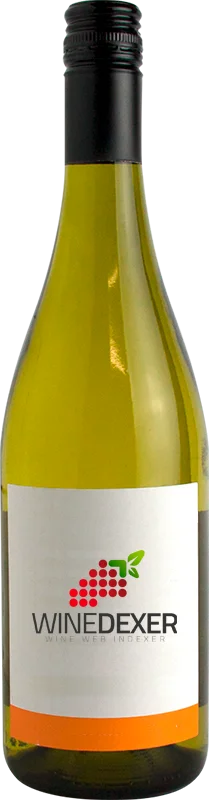
Winery Domeniul CiumbrudDry Muscat Sec
 White wine


This wine generally goes well with spicy food and sweet desserts.
Food and wine pairings with Dry Muscat Sec
Pairings that work perfectly with Dry Muscat Sec


Original food and wine pairings with Dry Muscat Sec
The Dry Muscat Sec of Winery Domeniul Ciumbrud matches generally quite well with dishes of spicy food or sweet desserts such as recipes of rigatoni with courgettes and tomatoes or birthday cake.
Details and technical informations about Winery Domeniul Ciumbrud's Dry Muscat Sec.
Discover the grape variety: Cabernet-Mitos
An intraspecific cross between Cabernet Sauvignon and Dyer du Cher obtained in 1970 in Weinsberg, Germany. It can be found in Germany, Switzerland, etc. and is virtually unknown in France.
Last vintages of this wine
The best vintages of Dry Muscat Sec from Winery Domeniul Ciumbrud are 2017, 0
Informations about the Winery Domeniul Ciumbrud
The Winery Domeniul Ciumbrud is one of of the world's greatest estates. It offers 25 wines for sale in the of Transylvania to come and discover on site or to buy online.

The wine region of Transylvania
Romania is located at the geographical crossroads between Central and South-Eastern Europe. The Romanian wine industry uses a wide range of indigenous and international red and white Grape varieties. Both vinifera and American grape species are present here, as well as a number of hybrids. The latter are chosen for their resistance to varying Climates.
The word of the wine: Breton
See cabernet franc.