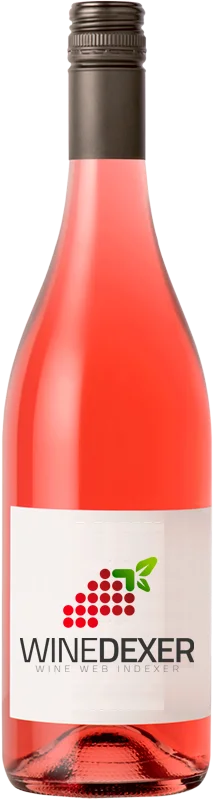
Domaine Ste CecileFaugeres
 Pink wine
In the mouth this pink wine is a with a nice freshness.
This wine generally goes well with vegetarian, appetizers and snacks or lean fish.

Taste structure of the Faugeres from the Domaine Ste Cecile
Light | Bold | |
Dry | Sweet | |
Soft | Acidic |
In the mouth the Faugeres of Domaine Ste Cecile in the region of Provence is a with a nice freshness.
Food and wine pairings with Faugeres
Pairings that work perfectly with Faugeres



Original food and wine pairings with Faugeres


The Faugeres of Domaine Ste Cecile matches generally quite well with dishes of pasta, vegetarian or appetizers and snacks such as recipes of pasta with 4 cheese sauce, vegan leek and tofu quiche or tuna spread.
Details and technical informations about Domaine Ste Cecile's Faugeres.
Discover the grape variety: Glera
Fresh, fruity sparkling wines with fine bubbles and an airy mouth, featuring aromas of green apple, pear, white peach, white flowers, citrus and fresh almond notes. Tonic acidity, light and refreshing finish. The undisputed star of Prosecco DOC, Prosecco di Conegliano Valdobbiadene DOCG and Asolo Prosecco DOCG, one of the world's most exported sparkling wines (Charmat method). Native Venetian grape, formerly called Prosecco.
Informations about the Domaine Ste Cecile
The Domaine Ste Cecile is one of of the world's greatest estates. It offers 3 wines for sale in the of Provence to come and discover on site or to buy online.

The wine region of Provence
World capital of dry, refined rosé (~90% of production). Pale rose-petal colour, delicate nose of fresh red fruits (strawberry, raspberry, redcurrant), citrus (pink grapefruit), white flowers and a mineral touch, taut and thirst-quenching palate — the Mediterranean aperitif par excellence. Blends of Grenache, Cinsault, Syrah, Tibouren and Mourvèdre. Fleshy Bandol reds from Mourvèdre (leather, garrigue, age-worthy), straight Cassis whites.
The word of the wine: Metis (grape variety)
A grape variety resulting from the crossing of two varieties of the same species. For example, pinotage (a South African grape variety) is the result of crossing pinot noir and cinsault.