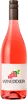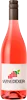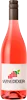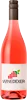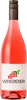
Domaine ShadrapaPhénicia Rosé
 Pink wine


This wine generally goes well with beef, lamb or mature and hard cheese.
The Phénicia Rosé of the Domaine Shadrapa is in the top 40 of wines of Tunisia.

Food and wine pairings with Phénicia Rosé
Pairings that work perfectly with Phénicia Rosé



Original food and wine pairings with Phénicia Rosé

The Phénicia Rosé of Domaine Shadrapa matches generally quite well with dishes of beef, lamb or spicy food such as recipes of beef pot-au-feu, lamb tagine with prunes and almonds or monkfish armorican style.
Details and technical informations about Domaine Shadrapa's Phénicia Rosé.
Discover the grape variety: Ruby-cabernet
Deeply coloured, structured reds with a deep ruby robe, smooth tannins and preserved acidity under warm conditions, with aromas of blackcurrant, blackberry, plum, spice and blackcurrant-leaf herbal notes. Round palate, fruity finish. Productive and heat-tolerant, it produces high-volume reds in California (Central Valley), South Africa, Australia, Argentina, Mexico and Israel. Californian variety created in 1936 by Harold Olmo at UC Davis (Cabernet Sauvignon × Carignan).
Last vintages of this wine
The best vintages of Phénicia Rosé from Domaine Shadrapa are 0
Informations about the Domaine Shadrapa
The Domaine Shadrapa is one of of the world's greatest estates. It offers 13 wines for sale in the of Tunisia to come and discover on site or to buy online.

The wine region of Tunisia
Ancient Mediterranean vineyard (Phoenician and Carthaginian heritage), 80% of the vineyard on Cap Bon, hot Mediterranean climate. Carignan, Cinsault, Grenache, Syrah, and Mourvèdre are the signature reds: fleshy with notes of red and black fruits, garrigue, spices, and a balsamic touch, ripe tannins — powerful southern blends. Iconic grey rosés of Cinsault and Grenache: fresh with notes of red fruits and citrus. Muscat of Alexandria in whites.
The word of the wine: Food and wine pairing
It is the set of techniques that allow for the pleasant combination of food and wine. Food and wine pairing is based on a few basic principles, such as similarity, complementarity or contrast, and involves all the elements that make up the wine and the food (flavours, textures, aromas, etc.).