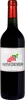
Domaine Saint ThomasL’Amoureuse Banyuls Blanc
 Sweet wine
This wine generally goes well with

Details and technical informations about Domaine Saint Thomas's L’Amoureuse Banyuls Blanc.
Discover the grape variety: Muskat bleu
Aromatic and fruity reds to drink young, with a deep ruby colour, moderate tannins and a light palate, offering signature muscat aromas, red fruits (strawberry, raspberry) and floral notes. An accessible profile for northern climates. Grown mainly in Switzerland, Germany and the UK in northern and amateur vineyards. Black hybrid variety obtained in Switzerland in 1932 by complex crossing, early-ripening and resistant.
Informations about the Domaine Saint Thomas
The Domaine Saint Thomas is one of of the world's great estates. It offers 26 wines for sale in the of Banyuls to come and discover on site or to buy online.

The wine region of Banyuls
AOC natural sweet wine of the Catalan Côte Vermeille, spectacular schist terrace vineyards facing the Mediterranean. Black Grenache fortified with alcohol (min. 50%, min. 75% in Grand Cru).
The wine region of Languedoc-Roussillon
Largest single French vineyard, dominated by sunny, generous reds. Spicy Syrah, candied Grenache (ripe fruit, garrigue), structured Carignan, deep Mourvèdre, supple Cinsault. Stars: structured Corbières, Minervois, Faugères, Saint-Chinian; round Côtes-du-Roussillon. Legendary vins doux naturels: Banyuls and Maury (fortified Grenache) with notes of cocoa, fig, prune.
The word of the wine: Ugni blanc
White grape variety of Italian origin, and the main white variety grown in France. Its large bunches give fine, light and lively wines, suitable for distillation: today it is the main variety for making cognac and armagnac. Ugni blanc, which is a little richer in alcohol when grown in Mediterranean regions, is used in the blending of the Provence and Corsica appellations, often in association with other grape varieties that bring aromas and structure, such as clairette, grenache blanc or sauvignon. Ugni blanc is also used, on a secondary basis, in the production of certain white wines in Gironde (AOC Bordeaux, Entre-deux-Mers, etc.).