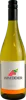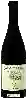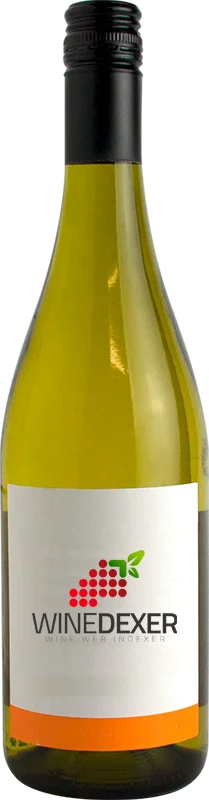
Domaine MontagneVin Doux Naturel Maury Blanc
 Natural sweet wine



This wine generally goes well with poultry, rich fish (salmon, tuna etc) or shellfish.

Food and wine pairings with Vin Doux Naturel Maury Blanc
Pairings that work perfectly with Vin Doux Naturel Maury Blanc



Original food and wine pairings with Vin Doux Naturel Maury Blanc
The Vin Doux Naturel Maury Blanc of Domaine Montagne matches generally quite well with dishes of rich fish (salmon, tuna etc), shellfish or poultry such as recipes of pasta salmon - fresh cream, scallops with chorizo sauce or tuna nuggets.
Details and technical informations about Domaine Montagne's Vin Doux Naturel Maury Blanc.
Discover the grape variety: Limberger
Structured and elegant reds, deep ruby colour, firm tannins and full mouth with preserved acidity, with signature aromas of red fruits (cherry, raspberry), dark fruits (blackberry), spices and pepper. Age-worthy profile. Grown in Germany (Württemberg) and the USA (Washington State). German synonym for Austrian Blaufränkisch and Lemberger, autochthonous Central European black grape.
Informations about the Domaine Montagne
The Domaine Montagne is one of of the world's greatest estates. It offers 12 wines for sale in the of Languedoc-Roussillon to come and discover on site or to buy online.

The wine region of Languedoc-Roussillon
Largest single French vineyard, dominated by sunny, generous reds. Spicy Syrah, candied Grenache (ripe fruit, garrigue), structured Carignan, deep Mourvèdre, supple Cinsault. Stars: structured Corbières, Minervois, Faugères, Saint-Chinian; round Côtes-du-Roussillon. Legendary vins doux naturels: Banyuls and Maury (fortified Grenache) with notes of cocoa, fig, prune.
The word of the wine: Faded
Said of a wine that has lost its brilliance and depth. It can also be used to describe the nose of an old wine that has lost its aromatic freshness.