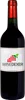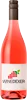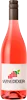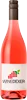
Domaine MathesRosé Passion Pinot Noir
 Pink wine
This wine generally goes well with pork, poultry or veal.
Food and wine pairings with Rosé Passion Pinot Noir
Pairings that work perfectly with Rosé Passion Pinot Noir



Original food and wine pairings with Rosé Passion Pinot Noir


The Rosé Passion Pinot Noir of Domaine Mathes matches generally quite well with dishes of veal, pork or game (deer, venison) such as recipes of shoulder of lamb stuffed with cognac, very simple spaghetti carbonara or rabbit with kriek and cherries.
Details and technical informations about Domaine Mathes's Rosé Passion Pinot Noir.
Discover the grape variety: Pinot noir
Pinot noir is an important red grape variety in Burgundy and Champagne, and its reputation is well known! Great wines such as the Domaine de la Romanée Conti elaborate their wines from this famous grape variety, and make it a great variety. When properly vinified, pinot noit produces red wines of great finesse, with a wide range of aromas depending on its advancement (fruit, undergrowth, leather). it is also the only red grape variety authorized in Alsace. Pinot Noir is not easily cultivated beyond our borders, although it has enjoyed some success in Oregon, the United States, Australia and New Zealand.
Informations about the Domaine Mathes
The Domaine Mathes is one of of the world's great estates. It offers 22 wines for sale in the of Moselle to come and discover on site or to buy online.

The wine region of Moselle
Moselle is an appellation covering white, red and rosé wines from an area in the administrative department of Moselle in Northeastern France. The Vineyard">Vineyard zone covers land on both sides of the Mosel River (known locally as the Moselle), before it flows north to form the heart of Germany's famed Mosel wine region. Moselle wines are most often light, Aromatic whites with crisp Acidity. They are made predominantly from the Auxerrois Blanc and Müller-Thurgau grape varieties.
The word of the wine: Sweet
Generic term for wines containing residual sugar (natural sugars in the grapes that have not been transformed into alcohol). It is also used to describe a wine with a dominantly sweet flavour, without further explanation.