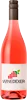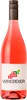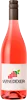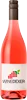
Domaine Longue TubiPlaisir Rosé
 Pink wine
This wine generally goes well with beef, lamb or mature and hard cheese.
The Plaisir Rosé of the Domaine Longue Tubi is in the top 10 of wines of Maures.

Food and wine pairings with Plaisir Rosé
Pairings that work perfectly with Plaisir Rosé



Original food and wine pairings with Plaisir Rosé


The Plaisir Rosé of Domaine Longue Tubi matches generally quite well with dishes of beef, lamb or spicy food such as recipes of fillet of beef in a foie gras and truffle crust, braised lamb with peppers or lentil soup with carrots and coconut milk.
Details and technical informations about Domaine Longue Tubi's Plaisir Rosé.
Discover the grape variety: Negrara Trentino
Light, fruity reds with a clear ruby colour, soft tannins and aromas of red fruits (cherry, raspberry), delicate alpine spices and fresh floral notes. An airy mountain profile best enjoyed young. Preserved for its heritage value, it contributes to artisanal cuvées in Trentino among the rare indigenous varieties of northern Italy.
Informations about the Domaine Longue Tubi
The Domaine Longue Tubi is one of of the world's greatest estates. It offers 8 wines for sale in the of Maures to come and discover on site or to buy online.

The wine region of Maures
Var IGP around the Massif des Maures (Toulon to Fréjus, schists and sandstone, ventilated Mediterranean): Grenache, Cinsault, Syrah and Carignan signatures as rosé kings (68%) — pale robe, lively and fruity aromas. Rich reds (25%) with very silky fine tannins. Aromatic rounded whites led by Rolle (Vermentino), Ugni Blanc, Pinot Noir and Merlot in complement. Provençal rosé.
The wine region of Méditerranée
Vast IGP of south-east France (Provence, Vaucluse, Var, Corsica, Ardèche), 75% rosés. Fresh, fruity rosés with signature notes of strawberry, raspberry, citrus, white flowers and a Mediterranean touch, taut and thirst-quenching on the palate — the quintessential sunny aperitif. Supple reds blending Grenache, Syrah, Cabernet and Merlot (red fruits, garrigue, spice), full whites of Viognier (apricot, flowers) and Chardonnay. Generous everyday wines, expression of the south.
The word of the wine: Away from the eye
See len de l'el.