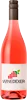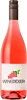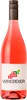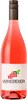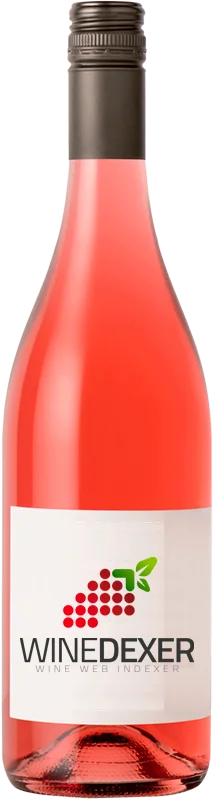
Domaine d'AilleVin de Pays des Maures Rosé
 Pink wine
This wine generally goes well with
The Vin de Pays des Maures Rosé of the Domaine d'Aille is in the top 10 of wines of Maures.

Details and technical informations about Domaine d'Aille's Vin de Pays des Maures Rosé.
Discover the grape variety: Treixadura
Structured and aromatic dry whites with a pale golden robe, an ample palate and preserved acidity, with signature aromas of citrus (lemon, mandarin), white-fleshed fruits (pear, peach), white flowers (acacia) and Atlantic mineral notes. Fine quality potential. The star of the Ribeiro DO appellation, it defines the great dry Galician whites and contributes to the Rías Baixas DO. Native Galician white grape, identical to the Portuguese Trajadura.
Informations about the Domaine d'Aille
The Domaine d'Aille is one of of the world's greatest estates. It offers 1 wines for sale in the of Maures to come and discover on site or to buy online.

The wine region of Maures
Var IGP around the Massif des Maures (Toulon to Fréjus, schists and sandstone, ventilated Mediterranean): Grenache, Cinsault, Syrah and Carignan signatures as rosé kings (68%) — pale robe, lively and fruity aromas. Rich reds (25%) with very silky fine tannins. Aromatic rounded whites led by Rolle (Vermentino), Ugni Blanc, Pinot Noir and Merlot in complement. Provençal rosé.
The wine region of Méditerranée
Vast IGP of south-east France (Provence, Vaucluse, Var, Corsica, Ardèche), 75% rosés. Fresh, fruity rosés with signature notes of strawberry, raspberry, citrus, white flowers and a Mediterranean touch, taut and thirst-quenching on the palate — the quintessential sunny aperitif. Supple reds blending Grenache, Syrah, Cabernet and Merlot (red fruits, garrigue, spice), full whites of Viognier (apricot, flowers) and Chardonnay. Generous everyday wines, expression of the south.
The word of the wine: Disgorging (champagne)
This is the evacuation of the deposit formed by the yeasts during the second fermentation in the bottle, by opening the bottle. The missing volume is completed with the liqueur de dosage - a mixture of wine and cane sugar - before the final cork is placed. For some years now, some producers have been replacing this sugar with rectified concentrated musts (concentrated grape juice) which give excellent results. A too recent dosage (less than three months) harms the gustatory harmony of the champagne.