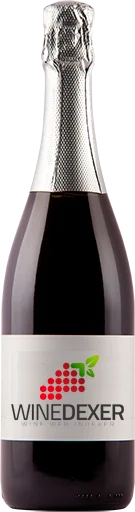
Domaine Les Hautes NoëllesPerles des Noëlles
 Sparkling wine
This wine is a blend of 2 varietals which are the Folle blanche and the Grolleau.
This wine generally goes well with
Details and technical informations about Domaine Les Hautes Noëlles's Perles des Noëlles.
Discover the grape variety: Folle blanche
As its name suggests, the folle blanche is a white grape variety. Originally from the west of France, it was used to make Cognac and Armagnac brandies as early as the 17th century and was renowned for its finesse and fragrant nose. Replaced by Ugni Blanc following the phylloxera invasion, the folle blanche is now grown in small quantities. It is a grape variety with juicy, sweet, medium-sized bunches and berries with a white/green skin. Its worst enemy is grey rot. As it is an early variety and its buds come out early, it is particularly afraid of spring frosts. It likes short pruning, a method that limits the production of grapes but increases their quality. It also prefers mineral-rich soils, and its vineyards cover about 3,000 hectares. It is used in the production of the AOC Gros-plant du Pays nantais to produce a lively white wine with little alcohol but marked acidity.
Informations about the Domaine Les Hautes Noëlles
The Domaine Les Hautes Noëlles is one of of the world's great estates. It offers 21 wines for sale in the of Val de Loire to come and discover on site or to buy online.

The wine region of Val de Loire
Val de Loire is a regional PGI title, covering wines produced in an area that roughly corresponds to the Val de Loire wine region in northern France. The PGI catchment area covers 14 departments and is one of the largest in France in terms of area. The Terroir is extremely varied throughout the Loire Valley region. Wines produced under the PGI title have as much style as the AOC appellations of the Loire.
The word of the wine: Floral
Said of a wine whose aromas are reminiscent of flowers.