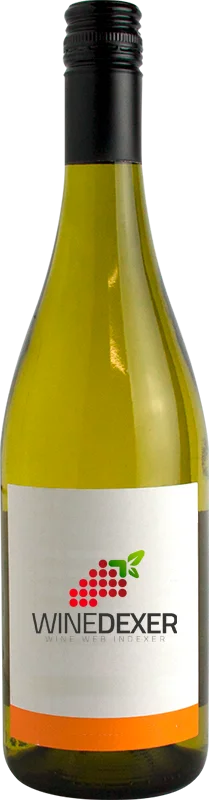
Domaine le Vieux ChêneClos Haut Valoir Mystère
 White wine
This wine generally goes well with vegetarian, poultry or lean fish.

Food and wine pairings with Clos Haut Valoir Mystère
Pairings that work perfectly with Clos Haut Valoir Mystère



Original food and wine pairings with Clos Haut Valoir Mystère


The Clos Haut Valoir Mystère of Domaine le Vieux Chêne matches generally quite well with dishes of pasta, vegetarian or poultry such as recipes of pasta with chicken, summer tuna quiche or leek and fresh salmon tart.
Details and technical informations about Domaine le Vieux Chêne's Clos Haut Valoir Mystère.
Discover the grape variety: Macabeo
Structured, aromatic dry whites with an ample palate and moderate acidity, showing aromas of citrus (lemon, grapefruit), white flowers (acacia), pear, green apple, light honey and fresh almond notes. Fine ageing potential. Essential component of Cava DO sparkling (with xarel·lo and parellada), pillar of Rioja DOCa whites (as viura) and Roussillon AOC whites. Autochthonous Aragonese variety, aromatic signature of the great Iberian whites.
Informations about the Domaine le Vieux Chêne
The Domaine le Vieux Chêne is one of of the world's great estates. It offers 36 wines for sale in the of Muscat de Rivesaltes to come and discover on site or to buy online.

The wine region of Muscat de Rivesaltes
Star AOC of Roussillon's Vins Doux Naturels: Muscat a Petits Grains and Muscat of Alexandria as signatures in equal parts in sweet whites — pale gold robe with green or pinkish glints, dazzling signature aromas of peach, lemon, mango, fresh grape, rose and mint, unctuous palate preserved by mutage with alcohol. Amber evolution with age toward honey, candied apricot and spices. AOC, ~4,400 ha across 99 communes, varied soils (granite, schist, limestone), Mediterranean and Muscat de Noel.
The wine region of Languedoc-Roussillon
Largest single French vineyard, dominated by sunny, generous reds. Spicy Syrah, candied Grenache (ripe fruit, garrigue), structured Carignan, deep Mourvèdre, supple Cinsault. Stars: structured Corbières, Minervois, Faugères, Saint-Chinian; round Côtes-du-Roussillon. Legendary vins doux naturels: Banyuls and Maury (fortified Grenache) with notes of cocoa, fig, prune.
The word of the wine: Destemming
Operation consisting in eliminating the vegetal part of the bunch supporting the berries, its maceration with the must giving a herbaceous taste to the wine.