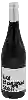
Domaine le Petit MaloLa Carbo
 Red wine


This wine generally goes well with beef, mature and hard cheese or spicy food.

Wine flavors and olphactive analysis

Food and wine pairings with La Carbo
Pairings that work perfectly with La Carbo



Original food and wine pairings with La Carbo
The La Carbo of Domaine le Petit Malo matches generally quite well with dishes of beef, spicy food or mature and hard cheese such as recipes of tunisian molokheya, chicken with green olives or stuffed eggplant bonifacian style.
Details and technical informations about Domaine le Petit Malo's La Carbo.
Discover the grape variety: Goruli mtsvane
Structured, aromatic dry whites with a pale to amber golden robe (in qvevri), an ample palate and preserved acidity of citrus, yellow fruits (pear, peach), white flowers, dried fruits, honey and mineral notes. Often vinified in qvevri (buried clay jars, UNESCO method) as tannic orange wines. Grown in Kakheti and Kartli, signature of modern Georgian amber whites. Native Georgian grape (mtsvane = "green"), pillar of the qvevri revival.
Last vintages of this wine
The best vintages of La Carbo from Domaine le Petit Malo are 0
Informations about the Domaine le Petit Malo
The Domaine le Petit Malo is one of of the world's greatest estates. It offers 8 wines for sale in the of Vin de France to come and discover on site or to buy online.

The wine region of Vin de France
The freest category of French wine, the playground of winemakers working outside the AOC. All styles combined: fruity reds, lively or ambitious whites, everyday rosés, unusual blends, natural wines, atypical grapes (Petit Manseng in Languedoc, Riesling in Provence), experimental winemaking (skin-contact whites, no sulphur). Grape and vintage labelling allowed, no geographic constraint. From the pop, convivial cuvée to the artisan gem: freedom in a bottle.
The word of the wine: Effervescent
Any wine loaded with CO2 (carbon dioxide), which is revealed in the form of bubbles, reinforcing the freshness effect in the mouth. This gas production is the result of what is called the second fermentation in the bottle. It occurs in champagnes and sparkling wines such as crémants.