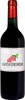
Domaine FontanelAmbre Doux Naturel
 Natural sweet wine
This wine generally goes well with poultry, rich fish (salmon, tuna etc) or shellfish.

Food and wine pairings with Ambre Doux Naturel
Pairings that work perfectly with Ambre Doux Naturel



Original food and wine pairings with Ambre Doux Naturel
The Ambre Doux Naturel of Domaine Fontanel matches generally quite well with dishes of mature and hard cheese, blue cheese or aperitif such as recipes of pizza mascarpone tomato ham comté, mussels with roquefort cheese without wine or koka (spanish pie).
Details and technical informations about Domaine Fontanel's Ambre Doux Naturel.
Discover the grape variety: Arneis
Elegant, crisp dry whites with a pale golden robe, a supple palate and preserved acidity of refined apple, pear, white peach, sweet almond, white flowers (acacia) and calcareous mineral notes. An airy, expressive profile. Absolute star of Roero Arneis DOCG on the Roero hills, also grown in Langhe DOC. Rescued from near-extinction in the 1980s by Vietti and Bruno Giacosa. Native Piedmontese grape of the hills of Cuneo.
Last vintages of this wine


The best vintages of Ambre Doux Naturel from Domaine Fontanel are 0
Informations about the Domaine Fontanel
The Domaine Fontanel is one of of the world's greatest estates. It offers 21 wines for sale in the of Rivesaltes to come and discover on site or to buy online.

The wine region of Rivesaltes
Great Roussillon appellation for Vins Doux Naturels, ~5,200 ha across Pyrénées-Orientales and Aude. Mutage with neutral spirit halts fermentation. 4 signature styles: Grenat on black Grenache with intense notes of candied cherry, kirsch and cocoa; oxidative Tuilé with prune, coffee, walnut and caramel; Ambré (white Grenache) with honey, candied orange, dried fruits; fruity Rosé strawberry. Exceptional ageing (10-50 years).
The wine region of Languedoc-Roussillon
Largest single French vineyard, dominated by sunny, generous reds. Spicy Syrah, candied Grenache (ripe fruit, garrigue), structured Carignan, deep Mourvèdre, supple Cinsault. Stars: structured Corbières, Minervois, Faugères, Saint-Chinian; round Côtes-du-Roussillon. Legendary vins doux naturels: Banyuls and Maury (fortified Grenache) with notes of cocoa, fig, prune.
The word of the wine: Free-run wine
The free-run wine is the wine that flows out of the vat by gravity at the time of running off. The marc soaked in wine is then pressed to extract a rich and tannic wine. Free-run wine and press wine are then aged separately and eventually blended by the winemaker in proportions defined according to the type of wine being made.