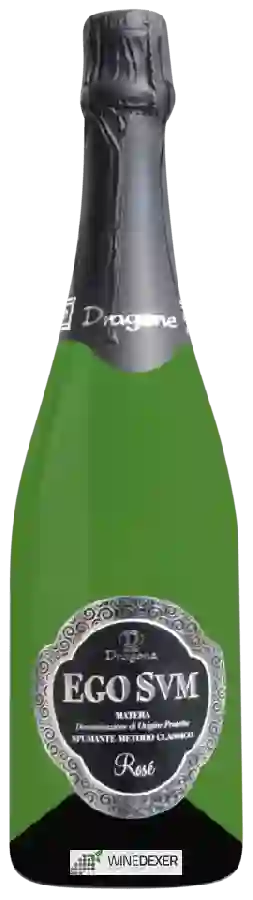
Winery DragonEgo Svm Spumante Metodo Classico Rosé
 Sparkling wine



This wine generally goes well with vegetarian, beef or rich fish (salmon, tuna etc).

Food and wine pairings with Ego Svm Spumante Metodo Classico Rosé
Pairings that work perfectly with Ego Svm Spumante Metodo Classico Rosé



Original food and wine pairings with Ego Svm Spumante Metodo Classico Rosé

The Ego Svm Spumante Metodo Classico Rosé of Winery Dragon matches generally quite well with dishes of beef, lamb or rich fish (salmon, tuna etc) such as recipes of authentic bolognese sauce (ragù di carne), tajine of merguez and potatoes or barbecued mackerel papillotes.
Details and technical informations about Winery Dragon's Ego Svm Spumante Metodo Classico Rosé.
Discover the grape variety: Primitivo
Powerful, sun-drenched reds with a dark robe and generous alcohol, showing aromas of stewed blackberry, stewed plum, dried fig, chocolate, gentle spice and balsamic notes. Supple tannins, indulgent finish. Star of Puglia with Primitivo di Manduria DOC, Gioia del Colle DOC and Salice Salentino. Identical to American Zinfandel and Croatian Crljenak Kaštelanski by DNA analysis.
Last vintages of this wine
The best vintages of Ego Svm Spumante Metodo Classico Rosé from Winery Dragon are 0
Informations about the Winery Dragon
The Winery Dragon is one of of the world's greatest estates. It offers 16 wines for sale in the of Basilicata to come and discover on site or to buy online.

The wine region of Basilicata
Austere region of southern Italy between Campania and Apulia, kingdom of volcanic Aglianico. Aglianico del Vulture signature DOCG on volcanic soils (~1,500 ha at 700 m): powerful, structured reds with signature notes of black cherry, blackberry, tobacco, leather, liquorice and a smoky mineral touch, firm tannins and long ageing — compared to Nebbiolo and Barolo. Also sun-drenched Primitivo, round Montepulciano. Fresh Greco and Fiano whites.
The word of the wine: Sweet
Wine with a slightly sickening sweetness.