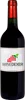
Winery Don SimónNature Merlot
 Red wine


In the mouth this red wine is a powerful.
This wine generally goes well with beef, veal or lamb.

Taste structure of the Nature Merlot from the Winery Don Simón
Light | Bold | |
Smooth | Tannic | |
Dry | Sweet | |
Soft | Acidic |
In the mouth the Nature Merlot of Winery Don Simón in the region of Vinos de Pago is a powerful.
Food and wine pairings with Nature Merlot
Pairings that work perfectly with Nature Merlot



Original food and wine pairings with Nature Merlot
The Nature Merlot of Winery Don Simón matches generally quite well with dishes of beef, lamb or veal such as recipes of salmon with cream sauce, mathieu's lamb tagine or duck breast with red fruits.
Details and technical informations about Winery Don Simón's Nature Merlot.
Discover the grape variety: Merlot
Round and fleshy reds with a velvety texture, showing aromas of ripe plum, black cherry, cocoa and truffle notes with age. Supple tannins, generous alcohol, indulgent finish. Pillar of Libournais (Pomerol with Pétrus, Saint-Émilion with Cheval Blanc and Ausone) and signature of Super Tuscans, Italian Wales and Washington State. A cross of Cabernet Franc × Magdeleine Noire, France's most planted red variety.
Last vintages of this wine
The best vintages of Nature Merlot from Winery Don Simón are 0
Informations about the Winery Don Simón
The Winery Don Simón is one of of the world's great estates. It offers 29 wines for sale in the of Vinos de Pago to come and discover on site or to buy online.

The wine region of Vinos de Pago
Top of the Spanish quality pyramid (above DOCa and DO), reserved for 25 exceptional estates. Estate wines, grapes and vinification exclusively on site, 10 years of track record. All styles: concentrated, barrel-aged Cabernet, Syrah and Tempranillo reds (Dominio de Valdepusa, Arínzano, Pago de Otazu), maker's blends, a few ambitious whites. Great stylistic freedom.
The word of the wine: Climate
Term used in Burgundy to designate a locality. The most famous climats are subject to specific recognition and constitute the first growths.