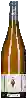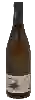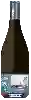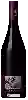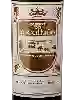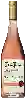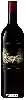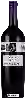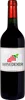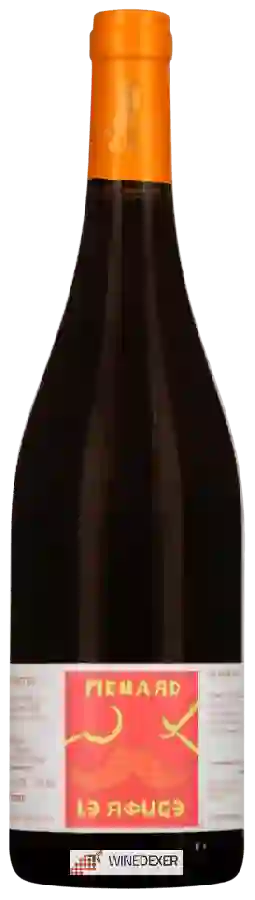
Domaine des SablonnettesMenard Le Rouge
 Red wine


This wine is a blend of 3 varietals which are the Cabernet franc, the Grolleau and the Gamay noir.
In the mouth this red wine is a with a nice balance between acidity and tannins.
This wine generally goes well with pork, poultry or beef.

Taste structure of the Menard Le Rouge from the Domaine des Sablonnettes
Light | Bold | |
Smooth | Tannic | |
Dry | Sweet | |
Soft | Acidic |
In the mouth the Menard Le Rouge of Domaine des Sablonnettes in the region of Vin de France is a with a nice balance between acidity and tannins.
Wine flavors and olphactive analysis




On the nose the Menard Le Rouge of Domaine des Sablonnettes in the region of Vin de France often reveals types of flavors of non oak, earth or microbio and sometimes also flavors of oak, spices or citrus fruit.
Food and wine pairings with Menard Le Rouge
Pairings that work perfectly with Menard Le Rouge



Original food and wine pairings with Menard Le Rouge


The Menard Le Rouge of Domaine des Sablonnettes matches generally quite well with dishes such as recipes .
Details and technical informations about Domaine des Sablonnettes's Menard Le Rouge.
Discover the grape variety: Cabernet franc
Supple, fragrant reds with fine tannins and vibrant freshness, showing raspberry, violet, green pepper, pencil lead and gentle spice aromas. Star of the Loire as a single variety (Chinon, Bourgueil, Saumur-Champigny) and of the right bank of Bordeaux in blends (Cheval Blanc at 60%). Also in semi-dry Anjou rosés. A historic Bordeaux variety, parent of Cabernet-Sauvignon, Merlot and Carmenère.
Last vintages of this wine
The best vintages of Menard Le Rouge from Domaine des Sablonnettes are 2020, 2016, 0, 2019 and 2018.
Informations about the Domaine des Sablonnettes
The Domaine des Sablonnettes is one of of the world's greatest estates. It offers 21 wines for sale in the of Vin de France to come and discover on site or to buy online.

The wine region of Vin de France
The freest category of French wine, the playground of winemakers working outside the AOC. All styles combined: fruity reds, lively or ambitious whites, everyday rosés, unusual blends, natural wines, atypical grapes (Petit Manseng in Languedoc, Riesling in Provence), experimental winemaking (skin-contact whites, no sulphur). Grape and vintage labelling allowed, no geographic constraint. From the pop, convivial cuvée to the artisan gem: freedom in a bottle.
The word of the wine: Volatile acidity
Acidity resulting essentially from alcoholic fermentation and formed from acetic acids in the free state.