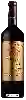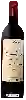
Domaine des PomarèdesRouge
 Red wine
This wine generally goes well with beef, veal or pasta.

Food and wine pairings with Rouge
Pairings that work perfectly with Rouge



Original food and wine pairings with Rouge
The Rouge of Domaine des Pomarèdes matches generally quite well with dishes of beef, pasta or veal such as recipes of beef marengo "my mom" style, succulent and easy to make beef lasagna or puchero.
Details and technical informations about Domaine des Pomarèdes's Rouge.
Discover the grape variety: Orion
Fresh, aromatic dry whites with a pale golden colour, a supple palate and preserved acidity, showing aromas of white flowers (acacia, elderflower), white fruits (apple, pear), citrus and herbal notes. A modern style to drink young. A disease-resistant interspecific variety, the engine of organic northern viticulture in Germany, Switzerland, Belgium and the Netherlands. German white hybrid created in 1964 at Geilweilerhof for sustainable viticulture.
Informations about the Domaine des Pomarèdes
The Domaine des Pomarèdes is one of wineries to follow in Aude.. It offers 4 wines for sale in the of Aude to come and discover on site or to buy online.

The wine region of Aude
Vast Languedoc IGP covering the entire department: signature Syrah and Grenache as king reds — fruity and sun-drenched with cherry, blackberry, raspberry, garrigue, Mediterranean spices and a peppery touch, supple tannins. Carignan, Mourvèdre, Merlot and Cabernet as backup. Fresh, aromatic whites from Chardonnay, Viognier, Sauvignon and Muscat (citrus, exotic fruits, flowers). Tender rosés.
The wine region of Pays d'Oc
The single-grape IGP par excellence: modern, accessible, frank and fruity wines, the popular signature of the Midi. Spicy Syrah reds (pepper, blackberry), round Merlot, structured Cabernet, generous Grenache, supple Cinsault. Crisp, tangy rosés. Opulent Chardonnay whites, lively Sauvignon, floral, apricoty Viognier.
The word of the wine: Stripped
Said of a wine that is generally too old and has lost its colour, volume and power.