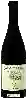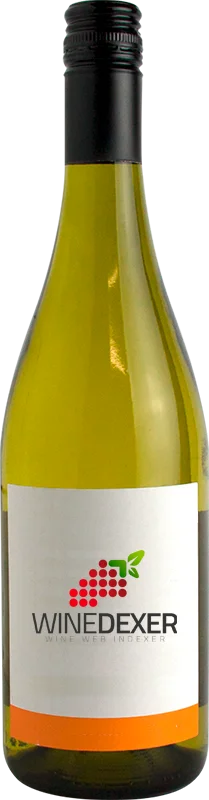
Domaine de RancyCuvée Lucie Rivesaltes Ambré
 Sweet wine


This wine generally goes well with vegetarian, poultry or lean fish.
Food and wine pairings with Cuvée Lucie Rivesaltes Ambré
Pairings that work perfectly with Cuvée Lucie Rivesaltes Ambré



Original food and wine pairings with Cuvée Lucie Rivesaltes Ambré


The Cuvée Lucie Rivesaltes Ambré of Domaine de Rancy matches generally quite well with dishes such as recipes .
Details and technical informations about Domaine de Rancy's Cuvée Lucie Rivesaltes Ambré.
Discover the grape variety: Madeleine angevine
Resulting from a sowing carried out in 1857 in Angers (Maine and Loire Valley) by Jean-Pierre Vibert and from 1863 marketed by the Moreau-Robert company. According to genetic analyses, this variety is the result of a cross between the royal madeleine and the blanc d'ambre. It has been used very often by hybridizers, the Csaba pearl being a good example. This variety is found in the United States (Washington), Germany and England, where it is vinified and its wine appreciated. - Synonymy: Angevine (for all the synonyms of the varieties, click here!).
Informations about the Domaine de Rancy
The Domaine de Rancy is one of of the world's greatest estates. It offers 31 wines for sale in the of Languedoc-Roussillon to come and discover on site or to buy online.

The wine region of Languedoc-Roussillon
Languedoc (formerly Coteaux du Languedoc) is a key appellation used in the Languedoc-Roussillon wine region of southern France. It covers Dry table wines of all three colors (red, white and rosé) from the entire region, but leaves Sweet and Sparkling wines to other more specialized appellations. About 75% of all Languedoc wines are red, with the remaining 25% split roughly down the middle between whites and rosés. The appellation covers most of the Languedoc region and almost a third of all the vineyards in France.
The word of the wine: White winemaking
White wines are obtained by fermentation of the juice after pressing. A pre-fermentation maceration is sometimes practiced to extract the aromatic substances from the skins. White wines are normally made from white grapes, but can also be made from red grapes (blanc de noirs). The grapes are then pressed as soon as they arrive at the vat house without maceration in order to prevent the colouring matter contained in the skins from "staining" the wine.