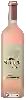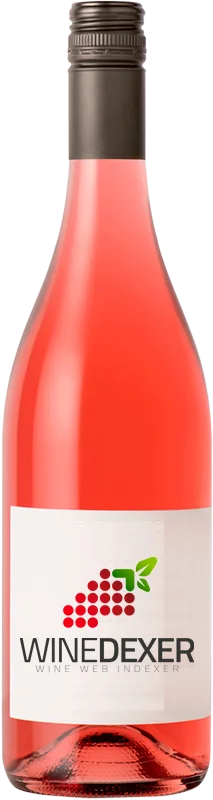
Domaine de PeyreventClair de Lune Rosé
 Pink wine
This wine generally goes well with vegetarian, appetizers and snacks or lean fish.

Food and wine pairings with Clair de Lune Rosé
Pairings that work perfectly with Clair de Lune Rosé



Original food and wine pairings with Clair de Lune Rosé


The Clair de Lune Rosé of Domaine de Peyrevent matches generally quite well with dishes of pasta, vegetarian or appetizers and snacks such as recipes of risotto of coquillettes with chorizo, goat cheese and bacon quiche or bacon-gruyere-tomato cake.
Details and technical informations about Domaine de Peyrevent's Clair de Lune Rosé.
Discover the grape variety: Malvasia nera di Brindisi
Structured, aromatic reds with good ageing potential, deep purple, full-bodied tannins and a broad palate, with aromas of dark fruits (plum, blackberry), spices, tobacco and Mediterranean balsamic notes. Warm Salento profile. Often blended with Negroamaro, it adds aromatic richness to the great reds of southern Puglia. Black Malvasia variety grown near Brindisi in Puglia.
Informations about the Domaine de Peyrevent
The Domaine de Peyrevent is one of of the world's greatest estates. It offers 10 wines for sale in the of Aude to come and discover on site or to buy online.

The wine region of Aude
Vast Languedoc IGP covering the entire department: signature Syrah and Grenache as king reds — fruity and sun-drenched with cherry, blackberry, raspberry, garrigue, Mediterranean spices and a peppery touch, supple tannins. Carignan, Mourvèdre, Merlot and Cabernet as backup. Fresh, aromatic whites from Chardonnay, Viognier, Sauvignon and Muscat (citrus, exotic fruits, flowers). Tender rosés.
The wine region of Pays d'Oc
The single-grape IGP par excellence: modern, accessible, frank and fruity wines, the popular signature of the Midi. Spicy Syrah reds (pepper, blackberry), round Merlot, structured Cabernet, generous Grenache, supple Cinsault. Crisp, tangy rosés. Opulent Chardonnay whites, lively Sauvignon, floral, apricoty Viognier.
The word of the wine: Local wine
Table wine, but with the origin indicated. It corresponds to a particular legislation: the freedom to use grape varieties is greater than for the AOC, but the quality criteria such as the approval tastings can sometimes be more demanding. The legislation is still evolving, but for the moment there are three levels: regional (e.g. Vin de Pays d'Oc), departmental and local (e.g. Côtes de Thongue).