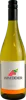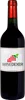
Domaine de MontgrignonCerise Brut
 wine
wine
This wine generally goes well with
The Cerise Brut of the Domaine de Montgrignon is in the top 0 of wines of Côtes de Meuse.
Details and technical informations about Domaine de Montgrignon's Cerise Brut.
Discover the grape variety: Terrano
This is a very old grape variety cultivated in particular in the Istria region of Croatia, Slovenia and Italy. It can also be found in the Republic of Macedonia. In France it is almost unknown. It should not be confused with refosco dal peduncolo rosso, it looks somewhat like it, especially since its synonyms are refosco del Carso or refosco d' Istria.
Informations about the Domaine de Montgrignon
The Domaine de Montgrignon is one of of the world's great estates. It offers 13 wines for sale in the of Côtes de Meuse to come and discover on site or to buy online.

The wine region of Côtes de Meuse
Lorraine IGP (2009) on the eastern slopes of the Meuse at 260–350 m, Oxfordian Jurassic marl soils. Whites (46%) as signatures in Chardonnay, Auxerrois, Pinot Gris and Pinot Blanc, fresh and generous with citrus, apple and white flowers. Light grey and rosé wines (22%) with red fruit and a citrus touch. Pinot Noir and Gamay as delicate reds with red fruit and a subtle spice.
The word of the wine: Guyot (pruning)
This is the most widespread pruning technique. It includes one or two long branches and allows the mechanization of a large number of vineyard operations.