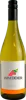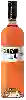
Domaine de la Vieille TourCôtes de Provence Rosé
 Pink wine


In the mouth this pink wine is a with a nice freshness.
This wine generally goes well with pork, vegetarian or poultry.

Taste structure of the Côtes de Provence Rosé from the Domaine de la Vieille Tour
Light | Bold | |
Dry | Sweet | |
Soft | Acidic |
In the mouth the Côtes de Provence Rosé of Domaine de la Vieille Tour in the region of Provence is a with a nice freshness.
Food and wine pairings with Côtes de Provence Rosé
Pairings that work perfectly with Côtes de Provence Rosé



Original food and wine pairings with Côtes de Provence Rosé

The Côtes de Provence Rosé of Domaine de la Vieille Tour matches generally quite well with dishes of pork, shellfish or vegetarian such as recipes of paupiettes with tomato sauce, barbecued lobster or leek, goat cheese and bacon quiche.
Details and technical informations about Domaine de la Vieille Tour's Côtes de Provence Rosé.
Discover the grape variety: Tinta Barroca
Intensely coloured, warm reds, sun-drenched with generous alcohol, with aromas of red and black candied fruits, plum, gentle spices and cocoa notes. Ripe tannins and a broad palate. Traditional partner of touriga nacional and touriga franca in the blends of great Port wines (especially Tawny and Ruby) and modern dry Douro DOC. Native Portuguese variety from the Douro and Trás-os-Montes.
Last vintages of this wine
The best vintages of Côtes de Provence Rosé from Domaine de la Vieille Tour are 2017
Informations about the Domaine de la Vieille Tour
The Domaine de la Vieille Tour is one of of the world's greatest estates. It offers 2 wines for sale in the of Côtes de Provence to come and discover on site or to buy online.

The wine region of Côtes de Provence
World reference for pale, elegant rosé: salmon to onion-skin hue, notes of strawberry, pink grapefruit, white peach and flowers, fresh, dry, mineral palate, taut finish. 90% of output, the Provençal signature. Grenache, Cinsault, Syrah and native Tibouren in the blend. A few fleshy Mediterranean reds (Mourvèdre, Syrah) and saline Vermentino whites.
The wine region of Provence
World capital of dry, refined rosé (~90% of production). Pale rose-petal colour, delicate nose of fresh red fruits (strawberry, raspberry, redcurrant), citrus (pink grapefruit), white flowers and a mineral touch, taut and thirst-quenching palate — the Mediterranean aperitif par excellence. Blends of Grenache, Cinsault, Syrah, Tibouren and Mourvèdre. Fleshy Bandol reds from Mourvèdre (leather, garrigue, age-worthy), straight Cassis whites.
The word of the wine: Malolactic fermentation
Called second fermentation or malo for short. It is the degradation (under the effect of bacteria) of the malic acid naturally present in the wine into milder, less aggressive lactic acid. Some producers or wineries refuse this operation by "blocking the malo" (by cold and adding SO2) to keep a maximum of acidity which carries the aromas and accentuates the sensation of freshness.